AI smart rings and next‑gen wearables in 2026 are shifting from simple trackers to early‑warning systems that flag illness, stress overload, and cardiovascular risk days before people notice symptoms. These discreet devices combine continuous sensor data—heart rate variability, skin temperature, SpO₂, movement, sleep stages—with predictive AI models trained on millions of nights and workouts to anticipate problems, not just record them.
At CES 2026 and in market reports, analysts highlight that the focus of wearables has moved “heavily toward predictive health AI,” with watches and rings telling you when you’re getting sick before you feel it and guiding recovery and stress management in a much more personalized way. At the same time, researchers and journalists warn that this predictive revolution is built on sensitive data, uncertain algorithms, and business models that could over‑promise and under‑explain, raising questions about accuracy, equity, and privacy.
From Step Counters to Predictive Health AI
An overview of 2026 fitness tracker trends notes that the market has evolved far beyond counting steps and basic heart rate.
The emphasis is now on “advanced sensor technologies and AI‑driven analytics” that aim to detect early signs of illness, overtraining, or chronic conditions.
CES 2026 coverage describes wearables that proactively tell you when your body is under immune stress or when you’re at risk of burnout, rather than only showing past activity.
In parallel, tech companies are pouring billions into studying how wearable data can predict disease, signaling that predictive health is a strategic bet for giants like Apple and Samsung, not just startups.
Why Smart Rings Are at the Center of the 2026 Boom
A 2026 prediction piece calls smart rings part of the “invisible revolution,” forecasting they will “explode in popularity” because they offer powerful sensing in a socially acceptable, low‑friction form factor.
Unlike watches, rings can be worn 24/7, including during sleep and in formal or fashion-sensitive contexts, giving AI models more continuous data and fewer gaps.
A smart ring market report estimates the AI ring market will be about USD 1.58 billion in 2026, projected to reach USD 3.6 billion by 2030, a 22.9% CAGR, driven by health tracking, payments, and gesture control.
One LinkedIn analysis notes that AI smart rings “offer discreet functionality in a lightweight form factor while integrating advanced sensors, machine learning algorithms, and seamless app experiences,” positioning them as the next step after fitness bands and smartwatches.
What Today’s Leading AI Smart Rings Can Actually Do
Oura, Samsung, and others in 2026
Reviews of 2026 smart rings highlight a few leaders:
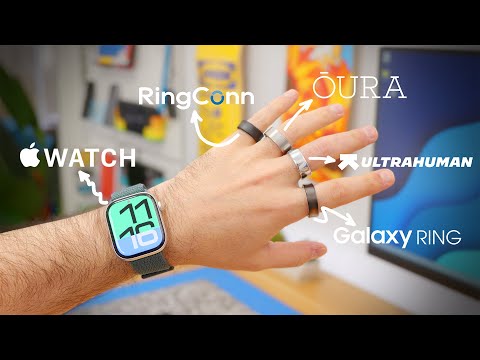
The Oura Ring 4 is described as the 2026 leader for “clinical precision and arterial age tracking,” combining heart rate, HRV, temperature, and sleep metrics with advanced AI scoring.
Samsung and RingConn are cited as strong options that offer robust heart health tracking and subscription‑free experiences, appealing to users wary of recurring fees.
CNET’s 2026 guide lists best smart rings for fitness, sleep, and overall health, emphasizing sleep analysis, recovery guidance, and readiness scores as core features.
A Forbes deep dive on wearable sleep tech notes that many users realize “you don’t know your sleep as well as you thought” once they start wearing devices like Oura, underscoring how continuous data reveals patterns that subjective feelings miss.
Predicting health before you feel it
Short-form CES coverage and creator posts emphasize a key new capability:
Top‑tier watches and rings now push “predictive health AI, telling you when you’re getting sick before you feel it,” based on changes in HRV, resting heart rate, temperature, and sleep quality.
Wearables and smart recovery tools showcased at CES 2026 point toward “deeper personalization and more proactive care,” offering early alerts about fatigue, immune stress, or recovery needs.
This is already visible in the consumer experience: users receive notifications like “your body temperature and HRV suggest you may be getting ill” or “today’s readiness is low; consider lighter activity,” often 24–48 hours before symptoms become obvious.
How Predictive AI Works Under the Hood
Predictive health wearables rely on two main ingredients: dense biometric streams and machine learning.
Fitness tracker market analyses describe how breakthrough sensor technologies—better optical heart sensors, temperature sensors, and accelerometers—feed continuous data to AI models.
Machine learning algorithms then detect subtle deviations from an individual’s baseline: small HRV drops, slight temperature bumps, shifts in sleep stages, or changes in movement patterns that historically preceded illness or stress events in large datasets.
At scale, companies like Apple and Samsung analyze huge anonymized datasets to link these patterns with outcomes like atrial fibrillation, arrhythmias, or other cardiovascular and metabolic risks. The goal is to sharpen early‑warning signals so that wearables can go from “you slept badly” to “you may want to check with a doctor about this pattern.”
Potential Benefits: Where This Really Helps
Early detection and preventive care
The biggest promise is shifting from reactive to preventive health:
Companies worldwide are exploring how wearables can predict health events such as arrhythmias, sleep apnea, and early metabolic issues, potentially enabling intervention before serious damage occurs.
In cardiovascular health, smart rings in 2026 increasingly emphasize features like resting heart rate trends, HRV, arterial age, and irregular heart rhythm alerts that prompt users to seek medical evaluation.
If integrated well with healthcare systems, these signals could lead to earlier diagnoses and better outcomes for chronic disease.
Everyday coaching and behavior change
Even below the level of disease prediction, AI wearables offer value by coaching daily habits:
Recovery and readiness scores help athletes and regular users avoid overtraining, reducing injury and burnout.
Sleep and stress insights encourage healthier routines, such as adjusting bedtimes, caffeine intake, or workload, with AI translating raw metrics into actionable suggestions.
This supports a shift toward continuous, personalized wellness rather than periodic advice during clinic visits.
Research and population health insights
Aggregated, anonymized data from millions of wearables can improve understanding of population health:
Patterns in sleep, activity, and physiological markers across regions and demographics can inform public health research, especially around stress, lifestyle, and environmental impacts.
These insights might help governments and organizations design more targeted interventions, workplace policies, and wellness programs.
However, this value depends heavily on robust anonymization, consent, and governance.
Critical Risks and Negative Scenarios
Accuracy, false alarms, and anxiety
Multiple experts caution that predictive wearables are far from perfect:
Forbes highlights a “problematic future” where sleep tech can overwhelm users with scores and alerts that they don’t fully understand, potentially increasing anxiety without clear health benefits.
False positives (alarms when nothing is wrong) may lead to unnecessary tests, while false negatives (missed events) could create false reassurance.
Without clear calibration, clinical validation, and careful UX, predictive alerts risk creating a “worried well” class glued to readiness scores.
Health equity and bias
Who benefits most from predictive wearables?
AI models are trained on specific user populations; if datasets skew toward certain regions, ethnicities, or income groups, predictions and thresholds may be less accurate for others.
Advanced smart rings and subscriptions are still relatively expensive; if early‑warning benefits are available mainly to wealthier users, existing health inequities could widen.
Equitable access and transparent validation are key to ensuring these tools don’t deepen disparities.
Privacy, data monetization, and employment risks
Wearables generate extremely sensitive health and behavioral data:
The Los Angeles Times notes that tech companies are “betting billions” on predicting disease with wearables, racing to turn sensor data into medical insights and, potentially, monetizable products.
Without strong regulation, such data could be used by insurers, employers, or advertisers in ways users did not anticipate—e.g., inferring risk and pricing or hiring decisions accordingly.
This raises serious questions about who owns wearable health data, how it’s shared, and how long it is stored.
Impact Across Sectors
Healthcare and insurers
Healthcare providers can use wearable data to monitor chronic patients remotely, adjust treatments dynamically, and prioritize follow-ups for those with worrying patterns.
Insurers may offer incentives (lower premiums) to users who share data and meet certain metrics, which could encourage healthy behaviors—but also pressure people into constant self‑tracking.
Employers and workplace wellness
Employers deploy wearables in wellness programs to track stress, sleep, and activity, aiming to reduce burnout and absenteeism.
If mishandled, this can slip into surveillance and implicit pressure to share or optimize health data for job security.
Consumer tech and lifestyle
Smart rings and predictive wearables are becoming status symbols and lifestyle tools, blending fashion with data‑driven self‑optimization.
The “invisible revolution” framing emphasizes that sensors will become more hidden and normalized, reshaping expectations around self‑measurement and health awareness.
Real Contribution to Progress—and How to Guide It
In 2026, The Rise of AI Smart Rings and Wearables That Predict Your Health Before You Notice is grounded in real advances:
The AI smart ring market is growing rapidly, with valuations around USD 1.58 billion in 2026 and strong forecasts ahead.
Top devices like Oura Ring 4, Samsung rings, and others provide clinically relevant metrics and early‑warning signals that can improve sleep, training, and potentially detect disease earlier.
Tech and health sectors are betting heavily that predictive wearables will shift medicine from reactive to preventive, with large potential gains in quality of life and healthcare costs.
Yet the long‑term societal value will depend on whether these systems are:
Accurate and validated, with clear communication of capabilities and limits.
Private and fair, governed by strong data protections and equitable access.
Empowering rather than anxiety‑inducing, designed to support informed decisions rather than constant self‑surveillance.
Used thoughtfully, AI smart rings and predictive wearables can become powerful tools for early detection, personal insight, and better health decisions. Used carelessly, they risk turning intimate health data into just another data stream to exploit, and turning users into “patients in waiting” who trust scores more than science and their own bodies.