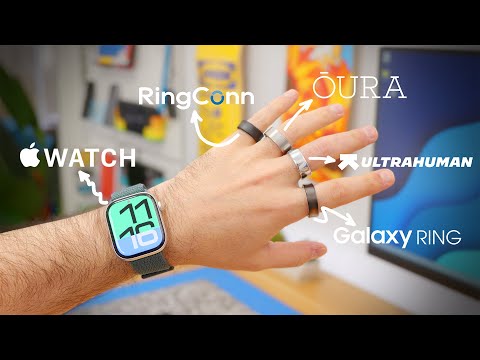
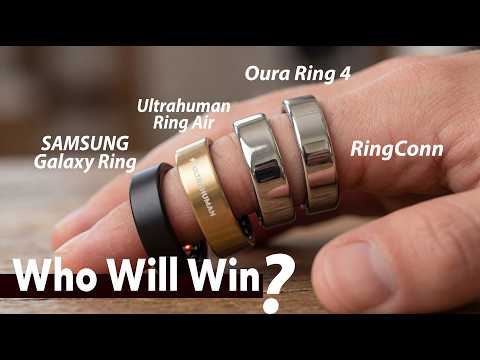
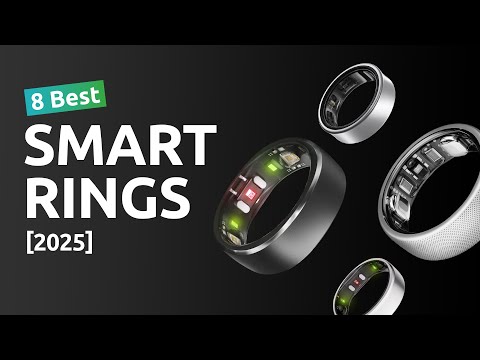
In 2026, the most advanced AI health-monitoring smart rings—led by Oura Ring 4, Samsung Galaxy Ring, and Ultrahuman Ring Air—use sophisticated sensors and machine-learning models to track sleep quality, stress, and recovery with a level of granularity that was previously reserved for lab-grade equipment. These devices are the result of years of collaboration between hardware engineers, sleep and cardiovascular researchers, data scientists, and digital health companies that turned raw sensor signals into meaningful, daily guidance.
What “Advanced AI Health Monitoring” Means in 2026
Smart rings in 2026 go far beyond step counts:
Multi-sensor hardware:
Photoplethysmography (PPG) for heart rate, HRV, SpO2, and respiratory trends.
Skin temperature and movement sensors for sleep staging and illness detection.
AI-driven analytics:
Machine-learning models transform raw signals into sleep stages, stress load, recovery scores, and readiness indexes.
Algorithms adapt to each user’s baseline, making insights more personalized over time.
Continuous context:
Rings are worn 24/7, capturing long-term trends in sleep debt, cumulative stress, and recovery, not just one-off snapshots.
Health tech reviewers emphasize that the most advanced rings are those that combine strong hardware, validated algorithms, and robust apps rather than just marketing “AI” as a buzzword.
Oura Ring 4 – AI Sleep, Stress, and Recovery Benchmark
Oura Ring 4 is widely seen as the benchmark for sleep, stress, and readiness tracking in ring form.
Hardware and Sensor Stack
Oura’s official technical overview highlights a redesigned multi-sensor system:
18‑path multi‑wavelength PPG:
Red/IR LEDs measure blood oxygen (SpO2) during sleep.
Green/IR LEDs track heart rate and HRV 24/7, plus respiratory rate at night.
Digital temperature sensor:
Captures skin temperature variations to flag illness risk, track menstrual cycle phases, and inform recovery metrics.
3D accelerometer:
Measures movement for activity, step counts, and nighttime restlessness.
Smart Sensing technology dynamically adjusts sensor behavior, improving SpO2 signal quality by 120%, nighttime HR accuracy by 31%, and daytime HR accuracy by 7% versus previous generations.
AI Features for Sleep, Stress & Recovery
Validated sleep staging:
Machine-learning sleep staging has been scientifically validated against polysomnography (PSG), the gold standard for sleep studies.
Adaptive scores:
Algorithms adjust Sleep, Activity, and Readiness scores to your personal baseline, capturing changes in stress, illness, or training load.
Health Panels & OuraAdvisor:
New Health Panels integrate lab blood tests (50+ markers via Quest Diagnostics) with ring data, while OuraAdvisor, an AI chatbot, interprets results and provides recommendations.
Health Radar (2026 update):
A “Health Radar” feature continuously scans heart and breathing signals to detect patterns that may need attention, plus live workout tracking and improved privacy controls like granular data deletion.
Positive Contributions
Considered a research-grade sleep and recovery tracker that many athletes, clinicians, and researchers use as a reference tool.
Integration of blood marker panels and AI coaching brings consumer health closer to clinical-style insight, especially for cardiovascular and metabolic risk factors.
New privacy tools (time-range data deletion) show a maturing approach to data control and user trust.
Critical Concerns
Advanced AI features sit behind a subscription paywall, and critics argue that long-term health tracking becomes expensive.
Dense metrics and scores can cause over-fixation on numbers, which may increase anxiety or misinterpretation without professional guidance.
Despite validations, Oura’s algorithms are still proprietary black boxes, limiting external scrutiny beyond published comparisons.
Samsung Galaxy Ring – AI Stress & Readiness in the Galaxy Ecosystem
Samsung’s Galaxy Ring (with second-generation evolution expected) focuses on AI-driven stress, sleep, and readiness tightly integrated into Galaxy phones and Samsung Health.
AI Stress and Recovery Implementation
A detailed review describes Samsung’s HRV-based stress tracking as surprisingly thoughtful:
After about a week of continuous wear, the system starts recognizing patterns and offers personalized insights about stress, recovery, and sleep quality.
Galaxy Ring’s heart rate monitoring can reach 98–99% accuracy vs. ECG when fit is correct, which is critical for reliable HRV and stress metrics.
AI uses baseline-adjusted HRV to detect stress episodes and recovery periods, linking them to lifestyle factors and suggesting interventions via Samsung Health and Galaxy AI.
Hardware and Ecosystem Strengths
The ring is extremely light and comfortable, a key factor in long-term stress and sleep tracking.
It acts as part of a multi-device AI system: combining data from Galaxy Watch, phone, and ring for more robust insights.
Positive Contributions
Moves AI health monitoring into a mass-market ecosystem, not just niche biohacker devices, helping more people access continuous sleep and stress insights.
Galaxy AI can use ring data to power stress notifications, breathing exercises, sleep coaching, and daily readiness suggestions, blending coaching into everyday apps.
Critical Concerns
A Ctech review found data accuracy inconsistencies, noting that some metrics undermine trust if they don’t match other references.
Strong integration with Galaxy raises privacy questions about cross-service data use (e.g., combining health data with other app contexts).
Outside the Samsung ecosystem, advanced AI features may be limited or unavailable, making it less compelling for non-Galaxy users.
Ultrahuman Ring Air – AI for Metabolic Stress and Recovery
Ultrahuman Ring Air targets performance and metabolic health, using AI to translate HRV, temperature, and activity data into detailed recovery and stress metrics.
AI Health Monitoring Focus
Tracks heart rate, HRV, skin temperature, sleep, and activity, then computes metrics like stress load, sleep debt, and recovery status.
Integrates with Ultrahuman’s app to guide preventive health and longevity, focusing on metabolic and nervous system regulation.
Influencers and early adopters note that it offers “super detailed data” and “smart insights that actually help you recover, focus, and stay balanced,” with no subscription.
Ultrahuman works closely with sports scientists and metabolic health practitioners, aiming at serious athletes and biohackers who want deep metrics rather than generic wellness tips.
Strengths
Emphasizes preventive health and everyday recovery, positioning itself as a long-term wellness companion instead of just a fitness gadget.
No mandatory subscription makes advanced AI insights more affordable over time than some competitors.
Focused metrics (stress load, sleep debt) align closely with performance coaching and HRV-guided training.
Critical Weaknesses
Independent reviews note sleep tracking inaccuracies, especially underestimation or misclassification of sleep compared to other devices or subjective reports.
Sensor design feels more pronounced, which some users find less comfortable, potentially affecting signal quality if fit is imperfect.
Compared with Oura and Samsung, there is less public clinical validation, making it harder for clinicians to fully endorse it as a primary tool.
Other Rings with Advanced AI Health Monitoring
Beyond the big three, several other rings offer notable AI health features:
RingConn Gen 2 Air: advanced sleep and HRV metrics with no subscription, strong battery life.
Luna Ring Gen 2: emphasizes women’s health and sleep, often developed with gynecologists and sleep experts.
Circular Wellness Ring 2: includes “Kira,” an AI assistant that interprets metrics and provides wellness recommendations.
These reflect how many teams—across startups and large firms—have contributed to turning ring-based health tracking into a serious, AI-driven category.
Societal Impact: Pros and Cons of AI Smart Rings
Positive Scenarios
Early health awareness: continuous monitoring of HRV, resting heart rate, SpO2, and temperature may help detect illness or chronic stress earlier, prompting lifestyle changes or medical checks.
Work and performance: professionals and athletes use readiness and stress metrics to optimize training and work schedules, potentially improving performance and reducing burnout.
Research and population health: aggregated ring data (if anonymized and regulated) supports sleep, cardiovascular, and metabolic research, helping refine guidelines and interventions.
Negative and Critical Scenarios
Data privacy and misuse: insurer, employer, or platform misuse of health data remains a serious concern; combined health signals can become highly sensitive if not governed properly.
Digital inequality: advanced AI rings are expensive and often subscription-based, concentrating high-quality digital health tools in higher-income groups.
Over-quantification of self: users may become overly dependent on AI scores, ignoring subjective feelings or clinical advice, especially when algorithms are not fully transparent.
How to Choose an AI-Heavy Smart Ring for Sleep, Stress & Recovery
Given the current landscape:
Choose Oura Ring 4 if:
You want the most validated and mature AI sleep/recovery system, can afford subscriptions, and value deep integration with lab markers and AI coaching.
Choose Samsung Galaxy Ring if:
You are in the Galaxy ecosystem and want stress, sleep, and recovery AI tightly integrated with your phone, watch, and Galaxy AI services.
Choose Ultrahuman Ring Air if:
You are focused on metabolic health, HRV, and preventive wellness, prefer no subscription, and accept some trade-offs in sleep accuracy.
Whichever device you choose, the key is to treat its AI insights as decision support, not absolute truth: use them to ask better questions about your sleep, stress, and recovery, and—when needed—combine them with professional medical advice, not in place of it.