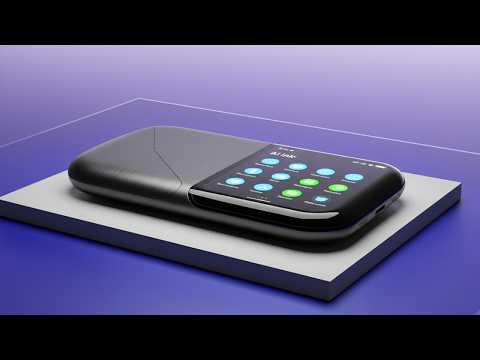
2026: The Peak of Smart, Specialized Gaming Phones
In 2026, the “most technological” gaming phones are no longer just about raw power; they are high‑tech platforms that blend AI, advanced cooling, ultra‑responsive displays, and dedicated gaming software into a single device. Flagships like the Nubia RedMagic 11 Pro, ASUS ROG Phone 9 Pro, and Samsung Galaxy S25/S26 Ultra, plus AI‑focused rivals such as the iPhone 17 Pro Max, sit at the top of 2026 rankings because they push the boundaries of frame rates, thermals, and AI‑driven optimization, all while still functioning as capable daily‑driver phones.
This guide walks you through the key features, typical specs, and real‑world impact of these technological leaders, plus how they shape jobs, digital entertainment, and broader society.
Core Technological Features You’ll Find in 2026
1. 120–185 Hz Displays and Ultra‑High Touch Response
Top 2026 gaming phones now commonly ship with 120–165 Hz (or even 185 Hz in RedMagic‑style models) AMOLED displays, drastically reducing motion blur and making aiming smoother.
Many also feature very high touch‑sampling rates (up to 720 Hz in ROG‑ or RedMagic‑style models), which cuts input lag and ensures your taps and swipes register almost instantly in competitive shooters and MOBAs.
2. Advanced Cooling and Thermal Management
Pure‑gaming phones like the RedMagic 11 Pro and ROG Phone 9 Pro use built‑in fans, large vapor‑chamber heat‑pipes, and multi‑stage cooling systems to keep the Snapdragon 8‑elite‑class chip from throttling during long sessions.
Mainstream flagships such as Galaxy S25/S26 Ultra and iPhone 17 Pro Max rely on improved vapor‑chamber layouts and AI‑driven thermal‑throttling, which trade a bit of raw gaming headroom for a slimmer, more camera‑focused design.
3. Shoulder Triggers, Haptics, and Physical Controls
Devices like ASUS ROG Phone 9 Pro and RedMagic 11 Pro integrate physical or capacitive shoulder triggers (“AirTriggers,” side‑grips, and mapped‑touch triggers) that let you bind aim, shoot, and reload to buttons instead of on‑screen touch.
Strong haptic‑feedback systems and 5G‑ready antennas make shooting, driving, and controller‑style play feel more console‑like, especially in cross‑platform titles such as Genshin Impact, COD Mobile, and PUBG Mobile.
4. AI‑Driven Game‑Mode Software and Performance Boosters
Modern gaming phones pack AI‑optimized performance modes that dynamically adjust CPU/GPU clocks, background‑app behavior, screen refresh, and cooling intensity depending on the game and your battery level.
Some brands (e.g., ASUS, RedMagic, OnePlus‑style derivatives) also offer on‑screen FPS overlays, macro‑recording, and “Game Turbo” modes designed to simplify repetitive in‑game actions and keep you in the moment longer.
Spec‑Level Snapshot: What “Top‑Tier” Means in 2026
Across 2026’s most technological gaming phones, reviewers and buyer guides converge on a common recipe for “best‑in‑class” specs:
SoC: Snapdragon 8 Gen 4 / 8 Elite‑class (or Snapdragon‑for‑Galaxy / A19 Pro‑class) chips, with powerful CPU and GPU blocks tuned for sustained 3D gaming.
RAM & Storage: At least 8–12 GB RAM and 128–512 GB storage, with many high‑end models going up to 24 GB RAM and 1 TB storage for heavy‑multi‑gaming‑library users.
Battery & Charging: 5,000–7,000 mAh batteries with 30–120 W wired charging (and up to 15–50 W wireless on some flagships), giving multiple hours of 120 fps without needing a power bank.
Display: 6.7–6.9 inch LTPO‑style AMOLED, 120–185 Hz, HDR, 1000–2600+ nits peak brightness depending on the model.
A typical 2026 “most technological” list includes: RedMagic 11 Pro, ASUS ROG Phone 9 Pro, Samsung Galaxy S25/S26 Ultra, iPhone 17 Pro Max, and sometimes high‑end POCO or Xiaomi‑style gaming‑focused variants.
Positive Impact on Work, Industry, and Society
1. Enabling Console‑Level Mobile Experiences
High‑refresh, high‑touch‑rate, and AI‑optimized phones let millions of players enjoy near‑console‑quality FPS and visuals, driving the global mobile‑gaming economy—now projected to soar toward 350–400 billion USD by the early 2030s.
This directly supports game studios, cloud‑gaming platforms, and streaming‑app developers, whose revenue depends on capable hardware.
2. Tech‑Sector Growth and Job Creation
The push for “the most technological gaming phone” fuels R&D in display tech, battery chemistry, thermal‑interface materials, AI‑rendering, and 5G/Wi‑Fi 6/7‑style connectivity, creating engineering and manufacturing jobs.
At the same time, a rich mobile‑gaming ecosystem generates demand for e‑sports organizers, content creators, livestream‑producers, and game‑monetization‑specialists, especially in emerging‑market cities where smartphones are the main device.
3. Everyday Digital‑Life Benefits Beyond Gaming
The same AI‑driven optimization, high‑touch‑rate screens, and strong SoCs that benefit games also improve video editing, AR filters, remote‑work apps, and productivity tools, making smartphones more versatile for students, freelancers, and remote workers.
Critical Negative Aspects and Trade‑Offs
1. Digital Addiction and Screen‑Time Pressure
India’s Economic Survey 2026 and similar reports already warn that digital and gaming addiction are rising, especially among youth, tied to long‑screen‑time behavior and in‑app spending.
Extremely smooth, high‑FPS, trigger‑assisted phones make mobile gaming feel more “real” and “legit,” which can tempt users to play longer, sometimes at the cost of sleep, education, or work‑time.
2. Performance and Cost Inequality
Not all players can afford Snapdragon 8‑elite‑class or 185 Hz‑equipped devices; many still rely on mid‑range or older phones, creating a performance gap where wealthier users enjoy smoother, more stable matches.
This subtly favors high‑end‑hardware‑owners in competitive titles, reinforcing a “pay‑to‑win‑or‑pay‑to‑perform” dynamic.
3. Environmental and Upgrade‑Cycle Pressure
The hype around “the most technological phone of 2026” encourages frequent hardware upgrades, even when older phones still function well.
This pushes e‑waste and resource‑intensive production, especially in regions with weak repair and recycling infrastructure.
Final Takeaway: How to Choose Your 2026 Gaming Phone
At the top of 2026’s “most technological” tier, your choice often comes down to priorities, not pure specs:
Pick RedMagic 11 Pro if you want maximum raw performance, best cooling, 165–185 Hz, and shoulder‑style controls at relatively aggressive pricing.
Pick ASUS ROG Phone 9 Pro if you value physical triggers, console‑style ergonomics, and a rich ecosystem of gaming‑specific accessories.
Pick Samsung Galaxy S25/S26 Ultra or iPhone 17 Pro Max if you want a polished, everyday flagship that can still handle high‑end gaming while delivering strong cameras, security updates, and ecosystem integration.
In the end, 2026’s most technological gaming phones do more than just push FPS and refresh rates: they shape how we play, work, and interact with digital content, while also forcing a conversation about digital‑wellbeing, fairness, and sustainability in an increasingly screen‑driven world.