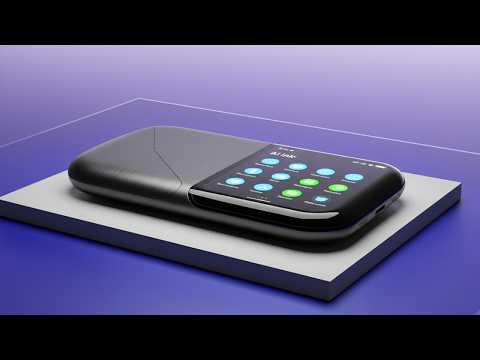
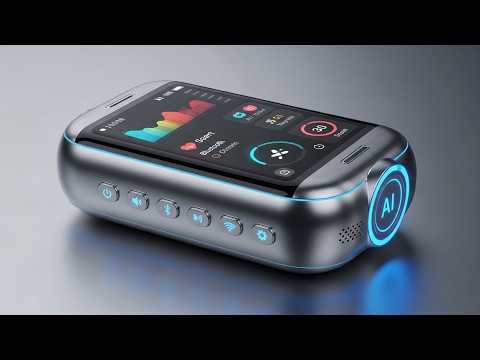
The most expensive AI gadgets of 2026 are no longer experimental toys; they are four‑figure robots, smart appliances, and luxury wearables that promise to automate real work, manage your environment, and even act as personal companions. When they’re done right, they save hours a week or deliver genuinely unique capabilities—but many are still over‑priced status symbols with cloud lock‑in and short product lifespans.
Below is a critical guide, in American English, to what’s on the market, realistic price ranges, and when these luxury devices are actually worth the money.
What Counts as a “Most Expensive AI Gadget” in 2026?
Most consumer‑facing AI gadgets cluster under $1,000, but at the high end you see:
Premium robot vacuums and home robots in the $1,000–$3,000+ range.
High‑end AR/AI glasses and productivity wearables around $800–$2,000.
Luxury AI home systems and designer assistants that can cost several thousand dollars, depending on configuration.
Pricing often reflects not just hardware, but embedded AI accelerators, high‑end materials, and paid services that run in the background.
1. Flagship AI Robot Vacuums and Floor Systems
Typical price: $1,200–$2,500+
High‑end robot vacuums and combo mopping stations are among the most expensive AI gadgets regular consumers actually buy.
What They Offer
Recent “worth buying” lists for 2026 consistently highlight models like Roborock’s top Saros/Z‑series and Qrevo Curv, plus Eufy and ECOVACS flagships:
AI navigation: Lidar + cameras with object recognition (cables, shoes, pet waste, socks).
Self‑maintenance docks: auto‑emptying vacuum bins, self‑washing mop pads, and hot‑air drying.
Room‑level control: AI‑built maps, room labels, no‑go zones, schedule learning.
Typical top‑tier prices:
Roborock and ECOVACS flagships often land between $1,200 and $2,000+, depending on features and region.
Positive Scenarios
Busy families or professionals gain back 2–4 hours per week of cleaning effort.
Elderly or disabled users can maintain floors without heavy physical work.
Pet owners benefit from frequent, automated cleanup.
Critical Drawbacks
Still imperfect on stairs, deep carpet, cluttered rooms, and complex thresholds.
Dock units are large; they claim floor space and can be visually intrusive.
Some models send mapping and camera data to the cloud, raising privacy concerns.
Worth every dollar if:
You have lots of hard floors, pets, and little time—and you’re okay with a big dock and some data going off‑device.
Questionable if:
Your home is small, mostly carpeted, or you aren’t disciplined about letting it run frequently.
2. High-End AR & AI Glasses
Typical price: $800–$2,000
Premium AI glasses combine spatial computing, real‑time assistance, and immersive displays that can replace or extend your laptop or monitor.
What They Offer
Tech trend rundowns for 2026 point to devices like Rokid 2026 AI glasses and premium spatial/AR glasses as top-tier wearables:
Large virtual displays: up to the equivalent of 200+‑inch screens in your field of view, powered by your phone or laptop.
On‑device or tethered AI: voice assistants, real‑time translation, and “heads‑up” help for navigation or work.
Spatial awareness: sensors that let apps anchor windows or content in your space.
Prices typically cluster from $800 to around $1,500+, depending on optics, resolution, and bundled compute.
Positive Scenarios
Frequent travelers: carry a virtual multi‑monitor setup in a glasses case.
Professionals and creatives: reference docs, code, or timelines without physically adding more screens.
Accessibility: resizing text and bringing content closer can help users with certain vision needs.
Critical Drawbacks
Comfort issues: weight, heat, and motion sickness can make long sessions difficult.
Battery life: intensive AR drains power; many users need to recharge mid‑day for heavy use.
First‑gen risk: early cycles can be expensive and fragile, and software ecosystems are still maturing.
Worth every dollar if:
You live on the road or in tight spaces, and you will actually use a virtual multi‑monitor workspace daily.
Risky luxury if:
You are curious but not sure about intensive use; these can become expensive drawer gadgets once the novelty fades.
3. Luxury AI Wearables and Neural Accessories
Typical price: $500–$1,500+
High‑end AI wearables go beyond normal smartwatches, adding neural interfaces, deep analytics, and designer positioning.
Examples and Pricing
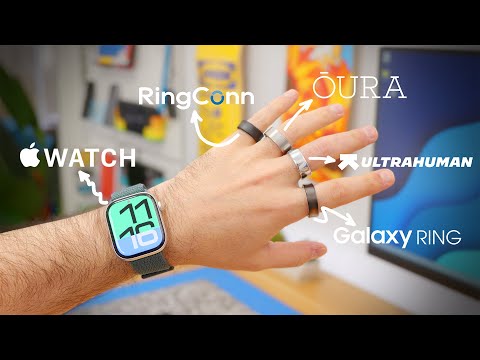
Luxury‑leaning AI wearables in 2026 include:
AI health rings (premium editions): upscale finishes plus advanced analytics, often in the $400–$700 range.
Neural wristbands and controllers (e.g., Mudra Link): translate subtle gestures or nerve signals into device input, often priced $300–$500+.
Concept‑level AI glasses and rings with exclusivity or fashion branding can push above $1,000.
Positive Use Cases
Athletes and quantified‑self enthusiasts use continuous metrics and AI analysis to adjust training, sleep, and recovery.
Neural bands offer hands‑free control for AR/VR and accessibility use, for example helping users with limited mobility interact with devices.
Critical Drawbacks
Many depend on monthly subscriptions for advanced analytics; without them, they’re glorified trackers.
Real medical accuracy is limited; they are not replacements for clinical devices.
Fashion‑driven versions may add cost without much functional upside.
Worth every dollar if:
You commit to long‑term use and act on the insights (changing sleep, training, habits).
Mostly status if:
You’re buying for looks or hype and rarely check or act on the data.
4. AI-First Luxury Home Ecosystems & Assistants
Typical price: $2,000–$5,000+ (for full setups)
Luxury brands and tech boutiques now sell high‑end AI assistants and integrated smart‑home ecosystems aimed at wealthier clients.
What They Look Like
A 2026 luxury AI gadget guide describes systems where:
A central AI assistant hub integrates lighting, blinds, climate, audio, and security.
Control interfaces are premium materials (metal, leather, glass) with voice, gesture, and app input.
On‑device AI cores handle routine decisions (e.g., pre‑heating rooms, adjusting blinds, tailoring media scenes).
At the same time, industry analysis shows that 2026 is the year AI hardware and devices “steal the limelight”, moving intelligence out of the cloud and into these local hubs and sensors.
Pros
Seamless, hotel‑like experience: lights, temperature, and media auto‑adjust based on presence, time, and learned preferences.
Potential energy savings by optimizing HVAC and lighting patterns.
Aesthetic integration for high‑end homes where standard plastic smart devices feel out of place.
Cons
High installation and integration costs, especially if retrofitting an existing home.
Vendor lock‑in; switching ecosystems later can be painful or impossible.
Privacy considerations when a single vendor sees fine‑grained data about your routines, energy use, and presence.
Worth every dollar if:
You’re already investing heavily in a custom home and will commit to an ecosystem for 5–10 years.
Too much if:
You only need a few smart lights and a thermostat—off‑the‑shelf devices will do 80% of this for a fraction of the cost.
5. Premium AI Smartphones and Laptops
Typical price: $1,000–$2,500
Flagship AI phones and laptops are standard now, but at the top of the market they increasingly sell themselves as AI devices first, general computers second.
What’s Different in 2026
Tech industry analysis notes that in 2026, AI moves into the device “edge” with dedicated accelerators and on‑device inference:
Phones and laptops ship with AI cores and NPUs optimized for local models.
Features include:
On‑device real‑time translation and summarization.
Intelligent camera pipelines for scene understanding.
Local copilots for code, documents, and design.
Smartphone guides describe a spread from AI‑heavy flagships like OnePlus and other top Androids to midrange models, but the luxury segment centers on the most powerful variants with maximum memory and storage at $1,200–$2,000+.
Pros
Lower latency and better privacy when many AI tasks run on‑device.
Longer useful life—devices can handle newer, heavier AI workloads over several years.
For creators and professionals, integrated AI can shrink editing, writing, and organizing time.
Cons
Expensive to replace if lost or damaged; insurance becomes essential.
Many “AI features” are software; cheaper models sometimes get similar updates later.
You may end up paying for headroom you never use if you don’t run heavy AI apps.
Worth every dollar if:
You regularly use on‑device AI for work or creative production (editing, summarizing, multilingual work, coding).
Overkill if:
Your main tasks are messaging, browsing, and casual photos—midrange phones now handle those well.
Societal Contribution of High-End AI Gadgets
Positive Contributions
Innovation That Filters Down
Expensive devices often serve as testbeds for new chips, sensors, and interaction models that later appear in cheaper products.
For example, robust on‑device AI in top smartphones and glasses accelerates development of efficient AI accelerators that benefit the entire market.
Assistive and Accessibility Uses
AR/AI glasses and advanced wearables can help people with vision, hearing, or mobility challenges, providing navigation cues, object recognition, and hands‑free control.
Energy and Resource Optimization
Luxury smart‑home ecosystems and high‑end thermostats can reduce energy use, especially in large homes, if used responsibly.
Efficient AI hardware reduces the need for constant cloud access, cutting data‑center load.
Negative and Critical Aspects
Inequality and Access Gaps
The most powerful, helpful AI experiences may arrive first for wealthier users, amplifying productivity and comfort differences.
Lock-In and E-Waste
Cloud‑dependent luxury gadgets that lose support can become expensive e‑waste, even when the hardware still works.
Privacy and Surveillance Risk
High‑end ecosystems with multiple cameras, mics, and sensors create rich data about households, which can be misused by companies or governments if not tightly regulated.
Over‑Engineering Simple Problems
Sometimes a $2,000 AI gadget replaces tasks that could be handled by a simpler device or better city design (public services, shared resources), shifting responsibility from public systems to private consumption.
How to Decide if a Luxury AI Gadget Is “Worth Every Dollar”
Use this checklist before buying:
Clear Outcome:
Can you specify exactly what it will change in your life (hours saved per week, tasks automated, capabilities added)?
Time Horizon:
Will you still use it 3+ times per week after a year? If not, treat it as a luxury toy, not an investment.
Dependence on Cloud and Subscriptions:
What happens if the service shuts down or you stop paying? Does it degrade gracefully or become useless?
Vendor Track Record:
Does the maker have a history of supporting devices with updates for multiple years, or abandoning them after one cycle?
Privacy and Control:
Can you see and manage where your data goes? Are there clear controls and local‑only modes for sensitive use?
If a device passes those tests and fits your budget, the most expensive AI gadgets of 2026 can be more than shiny collectibles—they can be serious tools that reshape how you work, live, and interact with technology. If not, the smartest move may be to wait a generation or choose a simpler, cheaper gadget that quietly does 80–90% of the same job.