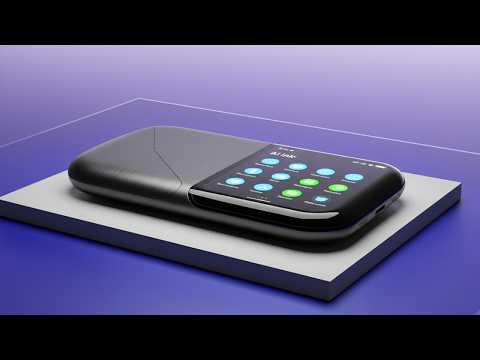
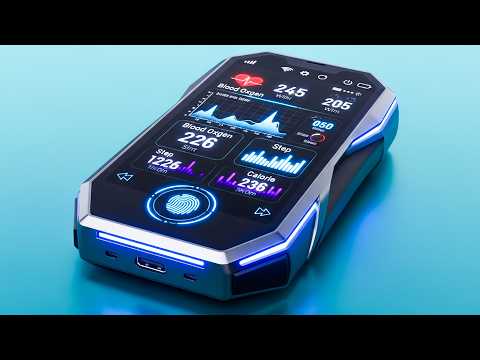
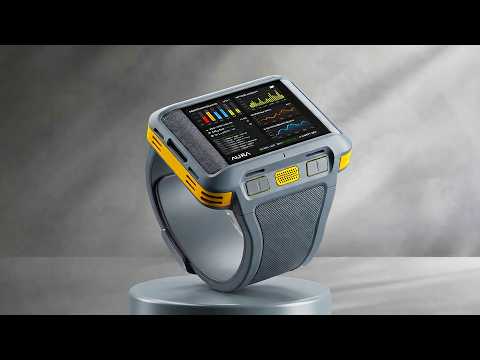
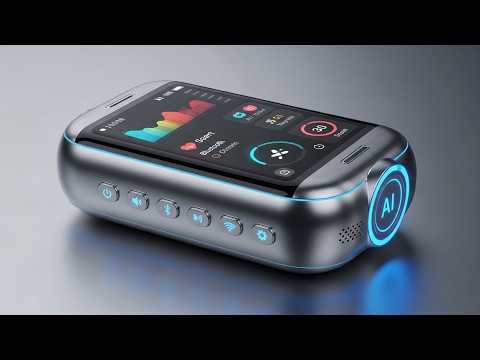
AI NotePin devices and pocket assistants in 2026 are turning “remember everything” into a real, everyday feature: they continuously capture conversations, meetings, and ideas, then automatically transcribe, summarize, and organize them into searchable knowledge you can access from your phone or laptop in seconds. Unlike traditional voice recorders or note apps, these gadgets sit on your lapel or in your pocket and work with a single button or voice cue, freeing you from typing and letting you stay present while the AI builds your personal archive in the background.
What AI NotePin and Pocket Assistants Are in 2026
AI note-taking pins and pocket assistants are dedicated, tiny hardware devices with built‑in microphones, storage, and direct links to AI services that turn raw audio into structured notes.
The Plaud NotePin S, launched for CES 2026, is described as a “cute little AI meeting notetaker” and a standout among new AI products thanks to its compact form and deep software integration.
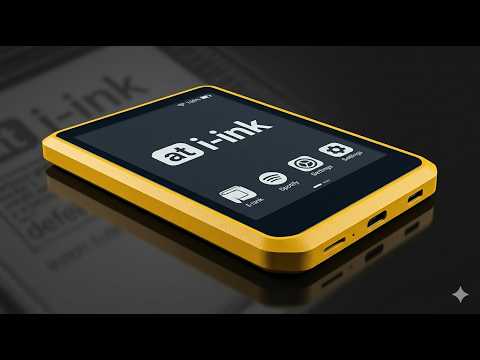
Pocket AI assistants range from similar clip‑on devices to small, phone‑sized gadgets that act as always‑ready personal AI, marketed as more focused and less distracting than full smartphones.
The core promise: you press one button, talk or let it listen, and later you get clean transcripts, highlights, and summaries—without digging through raw recordings.
Plaud NotePin S: A Concrete Example of the New NotePin
The Plaud NotePin S shows how far these gadgets have come by 2026.
It’s the successor to Plaud’s original pin‑style AI notetaker from 2024, now with a physical button for start/stop and “highlight” during recordings so you can mark key moments as you go.
Hardware specs include 64 GB of storage, up to 20 hours of continuous recording, dual MEMS microphones that capture audio clearly up to about 3 meters (9.8 feet), and around 40 days of standby battery life.
The device is priced from US$179 and ships with a clip, lanyard, magnetic pin, and wristband so you can wear it in different ways; it comes in black, silver, and purple to blend with different styles.
Reviewers at CES 2026 call it an “AI meeting assistant” that made coverage smoother by recording conversations and delivering transcripts and summaries afterward with minimal friction.
The Software Side: Desktop and Cloud That Organize Your Life
The hardware is only half the story; the real power comes from the companion software ecosystem.
Plaud’s new desktop app (Windows and macOS, in beta as of early 2026) records online meetings directly—Zoom, Google Meet, Microsoft Teams—without adding bots into the call, and starts with a single click when it detects an active meeting.
Users can mix multimodal input: audio recordings, visuals (screenshots or images), manual highlights, and typed notes, all in one timeline.
“Plaud Intelligence” keeps recordings, transcripts, and ideas unified and instantly accessible across desktop, mobile app, and web, essentially turning everything you say and hear in meetings into a searchable knowledge base.
Other AI tools and assistants for productivity in 2026 follow similar patterns: capturing content across devices, applying AI summarization and tagging, and syncing everything into a coherent personal or team workspace.
How These Gadgets Capture and Organize Your Life
Passive capture, active meaning-making
The big shift is from manual note-taking to ambient capture plus AI structuring.
During a meeting or conversation, the NotePin S continuously records; with highlight taps, you can mark important moments so the AI can prioritize them in summaries and “smart highlights.”
Afterward, the AI transforms raw audio into transcripts, bullet‑point summaries, action items, and timelines, reducing hours of listening to a few minutes of review.
Pocket personal AI devices aim to do the same for the rest of your life: capturing voice memos, ideas, and informal conversations on the go, then organizing them into topics, projects, and people so you can search “that idea about campaign X from last week” instead of scrolling endlessly.
Cross‑platform, “always with you” organization
Because these assistants are small and wearable, they are present in many contexts where laptops or even phones are awkward:
Walking, commuting, conferences, or spontaneous hallway chats—moments where important decisions and insights often appear but rarely get documented.
With cloud sync and desktop apps, that ambient data becomes part of your structured workspace: integrated with task managers, CRMs, or knowledge tools.
This makes your “second brain” more complete, at the cost of recording a lot more of your daily life.
Benefits: Why People Find Them Revolutionary
For knowledge workers and creators
Journalists, marketers, salespeople, and managers can focus on conversations instead of typing, then rely on AI for transcriptions, key quotes, and to‑do lists.
Content creators can capture ideas on the fly and have them automatically organized and summarized, reducing friction in going from raw thought to structured script or article.
For students and researchers
Students can record lectures and group discussions, later getting structured notes with key concepts and references instead of raw audio.
Researchers can record interviews and field notes, letting AI handle transcription and first‑pass coding, freeing time for deeper analysis.
For everyday life and memory
People with attention or memory challenges can use these devices as external memory, capturing instructions, names, and details to revisit later.
Families and individuals can keep voice logs of important conversations and life moments, making them easier to find and revisit than scattered voice notes.
In short, these gadgets aim to offload the cognitive load of remembering everything and organizing it manually.
Critical Downsides and Concerns
Privacy and consent
The most serious issue is obvious: recording more of life means recording more of other people’s lives.
AI note‑taking pins that continuously record or quickly start recording raise questions about consent in meetings, public spaces, and personal conversations.
Without clear visual cues and social norms, people may feel uncomfortable or surveilled, especially in sensitive contexts like therapy, HR discussions, or informal chats.
Even if the device owner benefits from perfect recall, other participants may not want their words stored, transcribed, and searchable.
Data security and platform trust
Captured audio and AI‑generated notes are highly sensitive:
If cloud storage or apps are compromised, attackers gain access to intimate conversations, business negotiations, and personal thoughts.
There are also concerns about vendors’ business models: whether they might train broader AI models on user data, or use aggregated content in ways that aren’t transparent.
Trust in these tools depends heavily on encryption, clear terms, and robust security practices—areas that not all emerging players handle equally well.
Over‑reliance and cognitive side effects
By outsourcing memory and organization, people might:
Take fewer notes themselves and engage less deeply in active listening, assuming “the AI has it,” which could reduce comprehension and retention.
Become overwhelmed by the volume of captured material if AI summaries are poorly prioritized or if they feel pressure to review everything.
As with other AI tools, the key is using them as aids, not replacements, for human judgment and attention.
Product quality and support
Not every pocket assistant is well‑designed or well‑supported:
User reports highlight issues like poor customer service, unreliable hardware, and restrictive return policies for some “pocket personal AI assistant” brands, including complaints that refunds were denied after devices were returned.
Early adopters can end up with expensive paperweights if startups shut down or pivot, leaving cloud services and companion apps discontinued.
This makes it important to evaluate vendor stability and terms, not just features.
Contribution to Work and Societal Progress
When thoughtfully designed and ethically used, AI NotePin devices and pocket assistants can:
Increase productivity and reduce burnout by cutting manual note-taking time and making information retrieval faster and less stressful.
Improve inclusion and accessibility for people who struggle with note‑taking, attention, or memory, giving them tools to stay engaged without missing details.
Enhance organizational learning by turning meetings and informal conversations into searchable institutional memory, helping teams avoid repeated mistakes and rediscover past insights.
However, the same technologies can erode privacy, trust, and autonomy if they normalize constant recording and opaque data use. The real societal value will depend on:
Clear norms and legal frameworks around recording and consent.
Strong security, on-device processing where possible, and transparent data handling.
User education on when and how to record responsibly, and how to balance AI assistance with human attention.
AI NotePin and Pocket Assistants: How Revolutionary Gadgets Capture and Organize Your Life in 2026 is ultimately a story about offloading memory and organization to machines. Used well, these gadgets free people to focus, think, and connect; used poorly, they risk turning everyday life into a continuous, exploitable data stream.