Introduction: 2026 Is the Year of Smarter, Smoother, Foldable Devices
In 2026, the most interesting tech gadgets are defined by three big shifts: foldable phones making screens more flexible and functional, high‑refresh displays giving smoother visuals across phones and laptops, and smart sensors turning passive devices into responsive, context‑aware systems. These innovations are not just cosmetic; they change how people consume media, multitask, and interact with their environments, from smartphones and wearables to smart home gadgets and IoT devices.
Foldable Phones: The New Form Factor Takes Center Stage
By 2026, foldable phones have moved beyond gimmicky “future‑phones” and into a core part of the premium smartphone segment. Major brands such as Samsung, Huawei, Honor, OPPO, Motorola, and Google are shipping new foldables with lighter hinges, thinner designs, improved crease control, and more durable IP‑rated bodies, while Apple and others are preparing their first foldable‑style products.
Why foldables matter for the future
Foldable phones blur the line between phone and small tablet, enabling more productive multitasking, split‑screen workflows, and immersive media without forcing users to carry a second device. Analysts see this trend as a key evolution for premium mobile, with foldables taking applications traditionally reserved for tablets onto a single, pocketable form.
Positives
More screen real estate when you need it, plus compact size when you don’t.
New interaction modes like mini displays for quick tasks and “tablet‑like” modes for reading, video, and gaming.
Negatives
Higher price and still‑fragile hinges and foldable glass, despite improvements in crease and durability.
Heavier software optimization needed for apps to adapt smoothly between folded and unfolded states.
High‑Refresh Screens: Smoother Across Phones, Laptops, and Panels
High‑refresh displays (120 Hz and beyond) are now standard not only in gaming laptops and monitors but also in flagship and mid‑range smartphones, tablets, and wearables. Modern foldable phones often feature 120 Hz or higher refresh rates on both inner and outer displays, making scrolling, animations, and gaming feel dramatically smoother than older 60 Hz screens.
Why high‑refresh screens matter for the future
Higher refresh rates reduce perceived lag, making interfaces feel more responsive and comfortable, especially as AI‑driven assistants and real‑time content become more common. This trend is driven by advances in display drivers and power‑efficient panels that keep battery impact in check.
Positives
Smoother scrolling, gaming, and video playback, which improves perceived performance even on mid‑range hardware.
Better visual comfort for dense text and fast UI interactions, useful for productivity and content consumption.
Negatives
Increased power draw, especially when running at full refresh in bright content, which can shorten battery life if not managed well.
Not all apps and websites are optimized to take full advantage of high‑refresh modes, so the benefit is sometimes subtle.
Smart Sensors: Turning Gadgets into Context‑Aware Systems
In 2026, smart sensors are among the fastest‑growing electronic components, embedded in phones, wearables, smart home devices, and IoT gadgets to collect real‑time data from the physical world. Common types include temperature and humidity, motion and proximity, biometric sensors, and environmental sensors for light, air quality, and pressure.
Why smart sensors matter for the future
These sensors enable devices to adapt to context: phones that adjust brightness, sound, and battery behavior based on ambient light and motion, thermostats that learn routines, and fitness trackers that measure heart rate, sleep, and stress without constant user input. Industry outlooks note that smarter sensors plus AI are driving the next wave of “invisible” automation in homes, cities, and workplaces.
Positives
More responsive, hands‑free interactions and safer environments (e.g., motion‑based security, smart lighting, and health alarms).
Personalization and efficiency: systems learn habits and adjust automatically, saving time and energy.
Negatives
Privacy concerns from constant data collection, especially biometric and location‑based readings.
Complexity in managing multiple sensors and ensuring accurate, low‑power operation without draining batteries.
Notable Examples of 2026 Revolutionary Gadgets
You can strengthen your post by highlighting a few standout 2026 devices that embody these three trends:
Foldable phones (Huawei Pura X Max, Honor Magic V6, Motorola Razr Ultra 2026, OPPO Find N6, and upcoming Galaxy Fold / Flip updates)
These models showcase slimmer, more durable designs, bigger batteries, higher‑resolution cameras, and smoother folding mechanisms, positioning foldables as true premium devices rather than niche gadgets.
High‑refresh smartphones and laptops
Flagship phones and gaming laptops increasingly ship with 120–165 Hz displays, especially on OLED and AMOLED panels, to make gaming and scrolling feel fluid and immersive.
Sensor‑rich wearables and smart home hubs
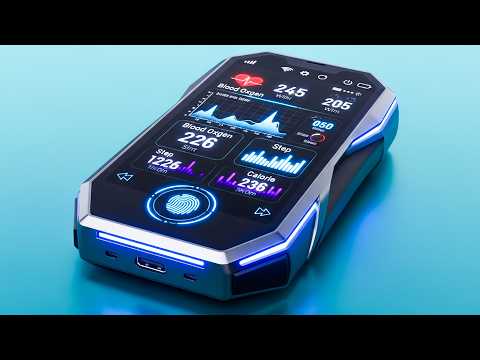
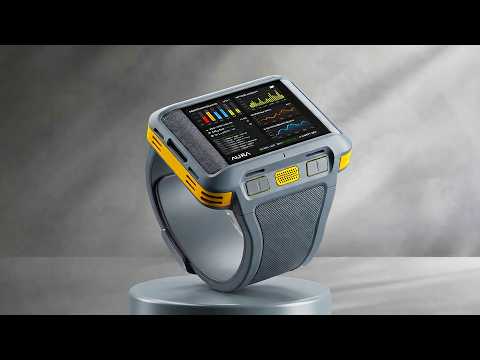
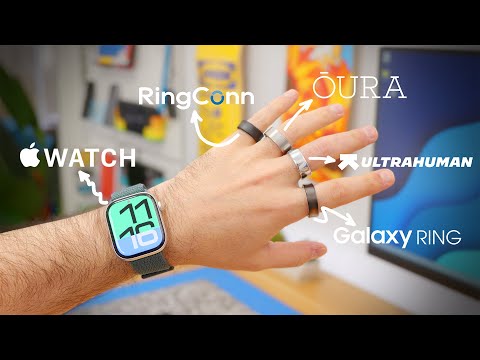
Fitness bands, smartwatches, thermostats, and environmental monitors now pack multiple sensors to track health, air quality, and motion, often feeding data into AI‑powered dashboards and apps.
These examples show how foldable form factors, smoother screens, and smart sensors converge in actual products people can buy today.
Future Scenarios and Importance of These Trends
Together, foldable phones, high‑refresh displays, and smart sensors are reshaping three main scenarios:
Mobile productivity
Foldables and multitasking‑ready screens make smartphones more tablet‑like, useful for on‑the‑go work, split‑screen apps, and media consumption.
Immersive entertainment and gaming
High‑refresh screens and powerful GPUs turn phones and handhelds into smoother gaming platforms, while sensors enable adaptive brightness, motion controls, and health‑aware usage limits.
Smart environments and health tech
From smart homes to fitness trackers, sensors plus AI create systems that respond to occupancy, movement, and biometrics, improving safety, comfort, and preventive healthcare.
Key People and Companies Driving This Wave
Samsung and Samsung Display
Samsung’s Galaxy Z series and foldable‑focused displays continue to push the boundaries of materials, crease reduction, and high‑refresh foldable panels.
Huawei, Honor, OPPO, and Motorola
These brands are releasing flagship foldables with innovative form factors, near‑creaseless screens, and IP‑rated durability, helping foldables move beyond early‑adopter status.
Google and Apple (indirect influence)
Software and ecosystem design from Google (Android) and Apple (iOS) strongly shape how foldables and high‑refresh UIs feel, even as hardware partners build the physical devices.
Sensor and component makers
Semiconductor and electronics suppliers producing advanced motion, biometric, proximity, and environmental sensors are the invisible backbone of this revolution, enabling more intelligent, responsive gadgets.
Their combined work makes 2026 a standout year where foldable phones, high‑refresh screens, and smart sensors come together to create a generation of more intuitive, efficient, and immersive tech gadgets.
In 2026, revolutionary tech gadgets are defined by foldable phones, high‑refresh screens, and smart sensors that turn devices into adaptive, context‑aware tools rather than static tools. Foldable phones from Samsung, Huawei, Honor, OPPO, and Motorola are becoming thinner, more durable, and more practical, while high‑refresh displays on smartphones and laptops deliver smoother scrolling, gaming, and media. At the same time, smart sensors in phones, wearables, and smart home devices collect real‑time environmental and biometric data, enabling more responsive, personalized, and automated experiences—though they also raise privacy and complexity questions. These three trends together are reshaping mobile productivity, entertainment, and smart environments in ways that will likely define consumer tech for years to come.