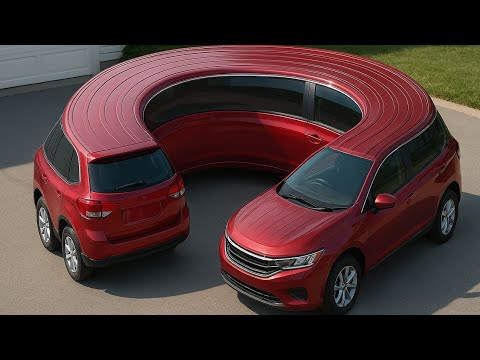
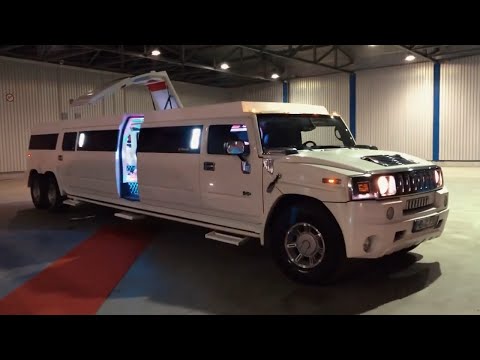
The American Dream — the 100-foot limousine with a helipad and pool — is a restored, museum-displayed record-holder that doubles as a provocative symbol of automotive excess and engineering curiosity.
Background and verified facts
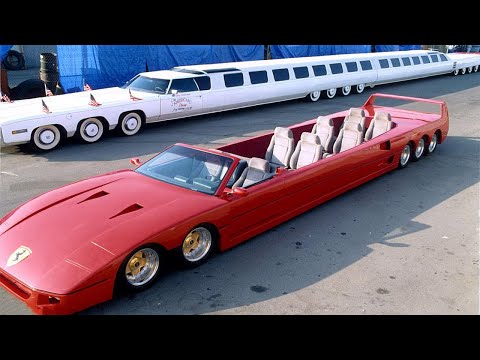
The vehicle known as The American Dream was built by Jay Ohrberg and is certified as the world’s longest car, measuring 100 feet and 1.5 inches (about 30.54 m).
The restored limo includes extravagant features reported in restoration coverage and museum displays: a helipad, a swimming pool (with diving board in earlier descriptions), a putting green, lounge areas, multiple TVs and telephones, and capacity for roughly 70–75 passengers.
The car was restored and shown publicly in recent years (restoration coverage peaked in 2022 and follow-up reporting and video features continued through 2024–2025). It is now displayed in a museum context rather than used in regular road service.
Positive perspectives (value and contributions)
Cultural and tourism value: As a Guinness World Record holder and an audiovisual spectacle, The American Dream draws visitors and media attention to museums and attractions, increasing ticket sales, local tourism spending, and marketing reach for hosting institutions.
Preservation and historical value: Restoring a unique custom vehicle preserves automotive craftsmanship, Hollywood-era custom-car culture, and the work of a noted builder (Jay Ohrberg), contributing to heritage conservation and study.
Educational and inspirational value: The limo showcases unusual engineering solutions (multi-section chassis, multiple drive ends, 26 wheels, bespoke interior systems), which can inspire design students, engineers, and creative industries to think beyond standard constraints.
Short-term economic impact: Restoration projects create specialist jobs (metalwork, upholstery, machining, painting, vehicle systems), and museum exhibits support curators, guides, and service staff. Coverage and events around such a vehicle can spur related merchandise, licensing, and content revenue.
Negative and critical perspectives (limits and costs)
Practicality and sustainability: The limo’s extreme length, mass (reported weight in the tens of thousands of pounds), and fuel-inefficient V8-era propulsion make it impractical for regular transport and environmentally costly compared with modern mobility solutions; it functions primarily as a showpiece rather than a useful vehicle.
Opportunity cost: Funds spent on building, restoring, storing, and transporting such a one-off could alternatively finance scalable mobility projects, affordable transportation, or clean-energy vehicle R&D that benefit broader populations. The return on social investment for a record-holding novelty is limited relative to community-scale transport investments.
Safety, regulation, and infrastructure strain: Operating or moving a 100-foot road vehicle requires extraordinary logistics, special permits, and road modifications; normal urban infrastructure cannot accommodate it, which limits utility and increases public expense when moves are attempted.
Symbolic critique: The vehicle exemplifies conspicuous consumption and can be perceived as an emblem of wasteful extravagance, especially when contrasted with pressing social needs like housing, public transit, and decarbonization. This creates a mixed public reception.
Scenarios showing real-world impacts
Museum and event scenario: Displayed in a museum, The American Dream generates steady cultural tourism and educational programming; restorers, installers, and exhibit staff gain employment and the museum’s brand strengthens through media coverage. This is the most realistic and positive scenario.
Mobile promotional scenario: If used as a promotional or marketing vehicle (film premieres, brand activations), the limo can produce short-term publicity spikes and sponsor revenue but incurs high logistics and operating costs with limited repeatability.
Operational scenario (impractical): Attempting frequent public road use would strain logistics, risk getting stuck, require escorts and road closures, and produce poor environmental performance; costs would far outweigh functional benefits.
Heritage-restoration scenario: Investing in continued restoration and archival work supports niche craft skills (coachbuilding, upholstery, historic engine refurbishment) and creates a training pipeline for preservation trades. That benefit is targeted and specialized.
Who benefits and who doesn’t
Beneficiaries: museums and cultural venues (attendance, branding), niche craftspeople and restorers (specialist employment), media and content creators (viral content), collectors and enthusiasts (ownership/pride).
Non-beneficiaries: general commuters and urban planners (no practical mobility value), climate and public-health advocates (high emissions relative to useful transport), communities needing scalable transport or infrastructure investment.
Credible cost and value signals
Reported sale/valuation figures and restoration costs vary in press accounts; popular coverage has cited multi-million–dollar valuations in the past (for example, media pieces quoted multi-hundred-thousand to low–million figures for similar unique restorations), but exact transaction prices depend on provenance, condition, and market demand. Restoration and museum preparation commonly require six-figure budgets for complex artifacts, and transport of a 100-foot vehicle can itself run into tens of thousands of dollars per move.
The measurable economic value to a hosting museum is realized through a combination of increased admissions, event income, merchandise, and earned media; however, this is episodic and not equivalent to sustained societal benefit like broad transportation infrastructure.
Contextual, evidence-based judgment
The American Dream is best understood as a cultural artifact and publicity asset whose primary contributions are historical preservation, niche employment, tourism, and inspiration for design thinking. Those are real but concentrated benefits rather than wide-scale social progress.
Critically, projects that replicate this level of extravagance are ethically and practically questionable if presented as alternatives to investments in sustainable mobility, public transit, or climate-mitigation technology; the limited utility and high environmental cost mean the limo’s model is not replicable as a socially beneficial template.
Suggested constructive uses (practical recommendations)
Keep it in museums and curated exhibits where it adds cultural and educational value without incurring repeated transport emissions.
Use the vehicle as a focal point for public programming about automotive history, design trade-offs, and the environmental impact of luxury vehicles; pair exhibits with panels or materials on sustainable transport to create balanced public learning.
Support apprenticeships tied to restoration projects so the specialized skills needed to preserve automotive heritage are passed on and can serve broader restoration and manufacturing sectors.
Sources
Recent restoration and feature reporting on The American Dream, including MotorTrend’s restoration feature and Guinness World Records coverage, confirm the car’s dimensions, provenance, and museum-focused restoration.
Additional contemporary coverage and video features document public displays, features (pool, helipad, putting green), and the vehicle’s ongoing role as an attraction rather than practical transport.