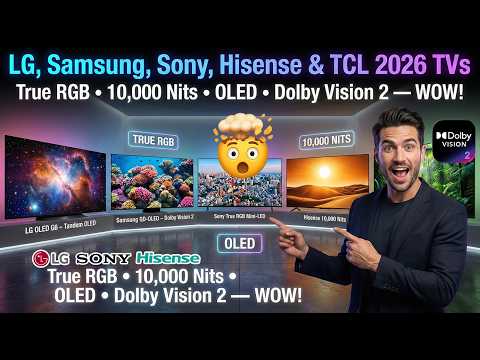
The most technological TVs of 2026 are defined by a combination of display innovation, smarter processing, and room-aware automation. Micro Lens Arrays, RGB-based backlighting, and advanced sensor systems are pushing premium TVs beyond simple picture quality and into a new era of adaptive, intelligent viewing.
What Makes 2026 Different
This year’s TV market is moving toward more precise light control, stronger color volume, and smarter AI-assisted tuning. RTINGS reports that RGB Mini-LED is one of the biggest focus areas of 2026, with major manufacturers introducing new models built around this next evolution of backlighting. TechRadar also highlights that RGB Mini-LED is expanding across more sizes and brands, which means the technology is moving from showcase territory toward real consumer availability.
Micro Lens Array technology adds another layer by improving how OLED panels direct light forward, increasing perceived brightness and helping premium TVs hold up better in bright rooms. That matters because many users now want one screen that works for movies at night, gaming in the evening, and sports or news in daylight. The result is a TV class that is more practical, more adaptable, and more expensive than before.
Why These Technologies Matter
Micro Lens Arrays and RGB tech are important because they address the two biggest limits in modern TVs: brightness and color precision. Brighter displays improve HDR impact, while better RGB control helps maintain color purity at high luminance, which is especially useful in sports, gaming, and high-end streaming content. In practice, this means a screen can look more vivid without immediately losing detail or color accuracy.
Sensor mastery is the other part of the story. Advanced ambient and motion sensors allow TVs to adjust brightness, color tone, and processing behavior depending on the room and the content, which improves usability in mixed lighting conditions. That is a genuine quality-of-life upgrade for homes, offices, and public spaces where one picture mode rarely works well all day.
Positive Impact
The strongest advantage of these technologies is that they make premium TVs more versatile. A bright, sensor-aware TV can perform well in a sunny living room, a dark theater room, a gaming setup, or a corporate presentation space without needing constant manual adjustment. That saves time and reduces the frustration that often comes with overly technical picture menus.
There is also real value for professional use. Retail displays, hospitality screens, conference rooms, and education environments benefit from stronger brightness, better visibility, and automatic environmental adaptation. For creators and media professionals, advanced color handling and better HDR behavior support more reliable content review and presentation.
Negative Side
The biggest criticism is cost. These technologies are arriving first in flagship products, which means the performance gains are often locked behind premium pricing and limited size options. For most households, that makes them aspirational rather than practical.
There is also the risk of overengineering. More sensors, more AI, and more display layers can improve the experience, but they can also introduce complexity, privacy concerns, and inconsistent behavior if the software is not tuned carefully. In some cases, the TV may try too hard to “optimize” the image and end up altering the creator’s intent.
Real-World Scenarios
For gaming, these technologies are especially promising because high refresh rates, better motion handling, and more accurate HDR can make fast titles feel smoother and more responsive. For movies, Micro Lens Arrays and RGB improvements help preserve cinematic contrast and color richness in brighter rooms, which has long been a weak point for premium displays. For sports, the combination of brightness and motion clarity makes live action easier to follow in daylight.
For work environments, the value is more utilitarian than dramatic. Digital signage, product demos, executive meetings, and educational presentations all benefit from screens that remain readable under variable lighting. In that sense, these TVs contribute to productivity and communication rather than only entertainment.
Industry And Society
These advances matter because they push the entire display industry forward, not just the flagship category. As Samsung, LG, TCL, Hisense, and other major brands compete in RGB and sensor-driven technologies, the improvements eventually filter into more affordable models. That helps raise the overall baseline of picture quality and smart functionality across the market.
Their social contribution is modest but real. Better TVs improve how people consume information, enjoy shared entertainment, and present visual content in public and professional settings. The negative side is that the gains remain unevenly distributed, with the most advanced features still concentrated in expensive premium products.
Final View
The top 5 most technological TVs of 2026 are not just brighter or smarter; they are more adaptive, more efficient, and more context-aware than previous generations. Micro Lens Arrays, RGB backlighting, and sensor-driven tuning are shaping a new standard for what a premium TV can do in the real world. The best models will be the ones that use these tools to improve actual viewing, not just to advertise spec-sheet superiority.