Ultimate Texas Luxury Living: The Most Opulent Homes and Ranches in the Lone Star State
Texas in 2026 stands out as one of the world’s most compelling stages for ultra‑luxury living, blending palatial urban mansions in Dallas and Houston with vast, resort‑style ranches around Austin and the Hill Country. These homes and ranches anchor a luxury market that generates billions in sales volume, thousands of jobs, and a powerful cultural image of “bigger, bolder, more extravagant” Texas lifestyle—while at the same time intensifying debates about inequality, land use, and environmental responsibility.
Urban opulence: mansions in Dallas, Houston and Austin
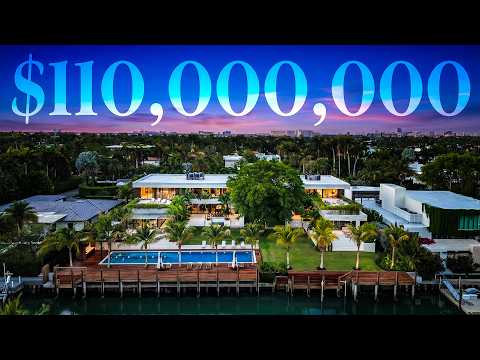
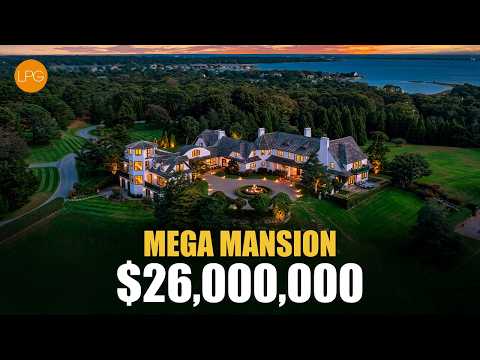
In Dallas–Fort Worth, some of the most impressive homes in Texas feature grand architecture, multi‑level interiors, and expansive grounds that rival European estates, with standout properties highlighted in luxury home showcases as among the top six most remarkable homes in the state. These mansions typically include multiple living wings, double‑height foyers, designer kitchens, and integrated smart‑home systems, all situated in elite neighborhoods that emphasize privacy, security, and quick access to business hubs.
Houston’s luxury estates, especially in neighborhoods like River Oaks and Memorial, lean into a mix of traditional and contemporary design, pairing oil‑era grandeur with modern amenities such as resort‑style pools, fully outfitted outdoor kitchens, and sophisticated entertainment complexes. Austin’s high‑end homes, by contrast, often emphasize contemporary architecture and indoor‑outdoor living, with terraces, glass walls, and lake or canyon views that cater to tech and creative buyers seeking a blend of work, leisure, and nature. Positively, these urban homes support a diverse ecosystem of architects, builders, and service professionals; critically, they also highlight unequal access to prime land and premium infrastructure within rapidly growing metros.
The ranch ideal: ultra‑luxury estates on thousands of acres
Beyond city limits, some of the most opulent expressions of Texas luxury living take the form of massive ranch estates that combine working land with resort‑grade amenities. A high‑profile example near Austin is an 80 million dollar ranch in Dripping Springs, spanning about 2,367 acres and marketed as one of the most expensive properties in the state. At its center lies a hacienda‑style main home that includes a 500‑bottle wine cellar, a large outdoor kitchen, a swimming pool, and separate guest accommodations, all surrounded by barns, pens, riding rings, and even an airplane hangar with a private runway.
These ranches are sold as “ultimate Western getaways,” offering rugged landscapes, longhorn cattle, and wide‑open vistas paired with comforts more typical of high‑end resorts. Positively, they preserve large tracts of land, support rural employment, and help maintain elements of Texas’ cowboy and ranching heritage; negatively, they can raise land prices, consolidate ownership in fewer hands, and limit access for local communities to open space and natural resources.
Resort‑style amenities: homes as private hotels
Across both homes and ranches, the defining feature of ultimate Texas luxury living in 2026 is the breadth of resort‑style amenities that transform residences into private hotels. High‑end property tours spotlight multi‑million‑dollar estates with expansive pools, spa areas, private gyms, theaters, and dedicated entertainment wings, describing them as “million‑dollar mansions and estates” where architecture and lifestyle amenities are as important as location. Some of the most extravagant mansions highlighted in media coverage include bowling alleys, car museums, lazy‑river pools, indoor sports courts, and fully equipped spa suites, all designed to keep residents and guests inside a self‑contained leisure environment.
Luxury ranch experiences mirror this pattern: top ranch properties offer villa‑style accommodations with private pools, professionally designed interiors, gourmet kitchens, and dedicated spa facilities, along with curated dining and activity programs similar to those in five‑star resorts. Positively, this pushes innovation in design and hospitality, providing high‑end employment and setting new standards for comfort and technology; critically, it also embeds extremely high levels of resource use and raises questions about how such lifestyles fit into a warming, water‑stressed Texas.
Economic contribution of opulent homes and ranches
The most opulent homes and ranches form a visible tip of a luxury market that accounts for tens of billions of dollars in statewide economic activity. A recent report on Texas luxury real estate found that in a single 12‑month period, homes selling for at least 1 million dollars generated more than 21 billion dollars in economic impact, with about 12,888 such homes representing nearly 16 percent of all residential sales. Dallas–Fort Worth alone accounted for roughly 4,992 luxury sales and about 8.5 billion dollars in volume, while Houston contributed over 3,300 sales and 5.7 billion dollars, and the Austin area about 2,461 sales and 4.1 billion dollars.
This activity fuels employment in construction, real estate services, finance, design, and hospitality, creating multiplier effects in local economies. Property taxes from high‑value estates help fund schools and infrastructure, particularly in districts with a concentration of luxury properties. Positively, this strengthens local budgets, supports public projects, and contributes to overall state growth; critically, the benefits are unevenly distributed, and heavy dependence on high‑end real estate can leave regions exposed if demand shifts or capital flows change.
Social and spatial inequality: who benefits and who doesn’t
Ultimate Texas luxury living also makes visible the stark divides in access to housing and land. While ultra‑wealthy buyers acquire multi‑million‑dollar mansions and multi‑thousand‑acre ranches, many Texans face tightening inventories, higher borrowing costs, and persistent affordability challenges in mid‑priced segments. Luxury activity concentrates in select neighborhoods and rural enclaves, where infrastructure, services, and political attention often exceed what is available in lower‑income or historically marginalized areas.
In some cases, affluent owners use their resources and properties for philanthropy and civic engagement, hosting fundraisers, supporting local institutions, and investing in cultural projects that benefit broader communities. However, structural imbalances in zoning, land use, and tax policy mean that the existence of opulent homes and ranches does not automatically translate into better outcomes for the majority of residents. A critical perspective emphasizes the need for deliberate policies that link luxury growth to broader housing solutions, infrastructure investment, and inclusive planning.
Environmental and sustainability challenges
The environmental footprint of Texas’ most opulent homes and ranches is significant, especially in a state already grappling with climate pressures. Large mansions with extensive lawns, pools, and climate‑controlled interior spaces require substantial energy and water, while vast ranches influence land and water management across broad areas. Some high‑end properties integrate energy‑efficient designs, solar panels, and advanced building technologies, and luxury ranch operations can adopt conservation‑minded practices that preserve habitats and open space.
Positively, these properties can act as early adopters and testbeds for sustainable technologies and regenerative land management, eventually benefitting wider markets as best practices spread and costs fall. Negatively, without clear regulatory and market incentives, many opulent homes and ranches may prioritize spectacle over stewardship, locking in high‑resource lifestyles and increasing pressure on local ecosystems, water supplies, and infrastructure.
Net perspective: opulence, opportunity and responsibility
Ultimate Texas luxury living—from architecturally ambitious city mansions to 80‑million‑dollar ranches near Austin—captures both the promise and the tension of the state’s current trajectory. These properties create jobs, attract capital, reinforce Texas’ global profile, and preserve unique combinations of architecture, landscape, and culture. At the same time, they magnify questions about who benefits from growth, how land and resources are allocated, and whether luxury development will support or undermine broader social and environmental goals.
For Texas to turn opulent homes and ranches into a genuine asset for society, policy and market actors need to connect luxury gains to inclusive housing strategies, resilient infrastructure, and serious environmental stewardship. When that balance is pursued, the most opulent properties in the Lone Star State can stand not only as symbols of private wealth, but also as contributors—direct and indirect—to a more equitable and sustainable future for Texas.