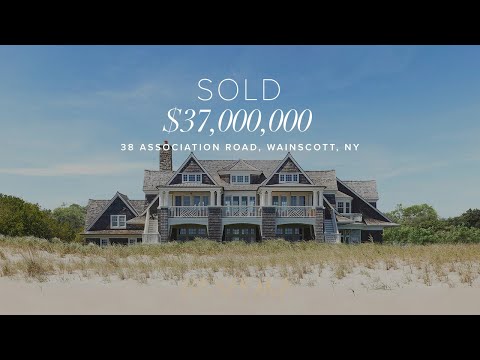
Top Luxury Mansions New York 2026: Oceanfront, Equestrian & Private Lake Estates
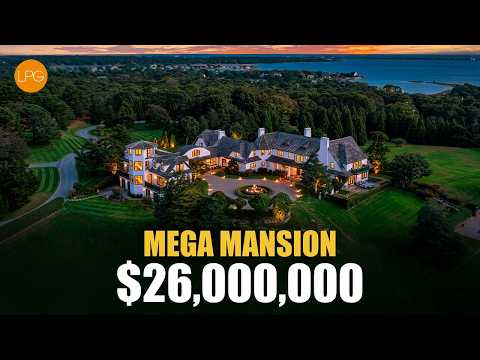
New York’s top luxury mansions in 2026 are defined by three premium property types: oceanfront estates in the Hamptons, equestrian compounds on Long Island, and private lake estates that trade on privacy, acreage, and natural beauty. Together, they represent the highest tier of the state’s residential market, where land scarcity, prestige, and lifestyle value matter as much as architecture or interior design.
These estates are not just symbols of wealth. They also shape local labor markets, sustain specialized businesses, and influence debates about housing access, taxation, and community balance across New York.
Why these properties lead the market
Oceanfront homes in the Hamptons continue to command attention because waterfront land is extremely limited and remains tied to global status. In 2026, listings in East Hampton, Sagaponack, Water Mill, and Shelter Island continue to showcase pools, gyms, guest houses, and direct access to the shoreline as standard markers of elite value.
Equestrian estates have become another major luxury category, especially in Water Mill and broader Long Island. A notable example is the 165 Cooks Lane property in Water Mill, listed at $125 million, described as the Hamptons’ largest equestrian compound, complete with stables, training facilities, rings, and a polo field.
Private lake estates appeal to buyers who want seclusion rather than coastal visibility. Their value comes from acreage, water access, and a retreat-style environment that supports multigenerational ownership, wellness, and long-term privacy.
What buyers are really paying for
At this level, buyers are paying for land that is nearly impossible to reproduce. Oceanfront frontage, estate-scale acreage, and private water access are not just luxury features; they are scarcity assets that hold value because they cannot be easily duplicated.
They are also buying flexibility. The most desirable homes often include guest quarters, entertainment spaces, staff support, outdoor recreation areas, and high-end infrastructure that turns the property into a self-contained private compound.
Positive economic contribution
These mansions create meaningful work across multiple industries. Architects, builders, structural engineers, landscapers, interior designers, legal teams, real estate brokers, security firms, and property managers all benefit when high-value homes are built, sold, or maintained.
The local service economy also gains from this market. Affluent owners spend on dining, transportation, wellness, marine services, household staffing, and luxury maintenance, which helps sustain premium businesses in the Hamptons, Nassau County, and other high-end regions of the state.
There is also a preservation effect. Historic or legacy estates often require careful restoration and long-term investment, which can protect architecture, landscaping, and regional identity when owners commit to stewardship rather than short-term speculation.
Negative social impact
The downside is that luxury concentration can deepen inequality. When homes reach $85 million, $125 million, or more, they often exist in communities where essential workers cannot afford nearby housing, even though those workers keep the area functioning year-round.
There is also a civic concern around second homes and part-time occupancy. Research and policy discussions around pied-à-terre style ownership argue that highly valuable homes can remove housing from the full-time market and reduce the social and economic participation that comes with permanent residency.
Best-case scenarios
The best scenario is responsible ownership. When these estates are actively used, carefully maintained, and staffed locally, they can generate consistent employment, support high-skill trades, and preserve properties that add cultural and architectural value to New York.
A second positive scenario is generational stewardship. In that case, the property becomes a long-term family asset rather than a speculative trophy, allowing owners to invest in conservation, local services, and improved estate management over time.
Riskier scenarios
The weakest scenario is buying purely for status. A home may look extraordinary, but if it is underused or purchased without regard to maintenance, labor, or environmental costs, its practical value can fall far below its headline price.
Another risk is market fragility at the top end. Ultra-luxury properties can be highly visible but not always highly liquid, meaning resale may depend on a narrow pool of buyers with very specific tastes, timing, and financing preferences.
Why this market matters
Top luxury mansions in New York matter because they are more than private homes. They are economic catalysts, wealth-storage assets, cultural signals, and policy flashpoints all at once.
Their real contribution to society is mixed but significant: they create jobs, preserve craftsmanship, and stimulate regional spending, while also intensifying the debate over housing access, tax fairness, and who gets to live in New York’s most desirable places.