Texas Luxury Real Estate 2026: Insane Mansions with Resort-Style Amenities Revealed
Texas in 2026 is one of the most dynamic luxury real estate markets in North America, with record transaction volumes, a flood of high‑end buyers, and mansions that function more like private resorts than traditional homes. From Dallas’ Highland Park and Preston Hollow to Houston’s River Oaks and emerging branded towers, luxury properties now feature full spa wings, hotel‑style pools, concierge‑level services, and entertainment spaces usually found in five‑star resorts.
The 2026 luxury market backdrop in Texas
By 2025, Texas had already set a record for residential sales above 1 million dollars—about 14,400 luxury homes sold statewide—and that momentum has carried into 2026, even as the overall housing market normalizes. Analysts describe 2026 as a “selective opportunity window”: cap rates have plateaued, institutional capital is re‑entering, and luxury transaction volume is at or near record levels, but success depends more on precision pricing and product quality than on simple market momentum.
Luxury agents in Dallas, Austin, and Houston report that buyers have become more data‑driven and selective, willing to wait for the right property while still paying premiums for homes that deliver truly exceptional design and resort‑style amenities. This environment favors stand‑out mansions and estates with immersive lifestyle offerings—full wellness suites, outdoor living compounds, and entertainment infrastructure—over generic large houses that lack a compelling identity.
What makes these mansions “insane”
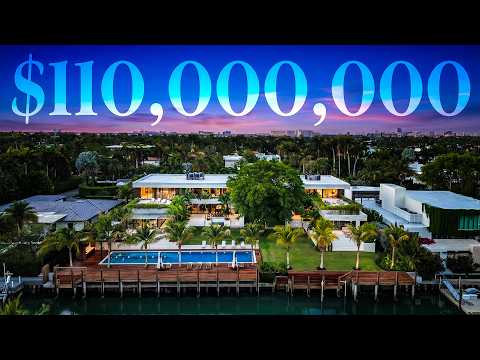
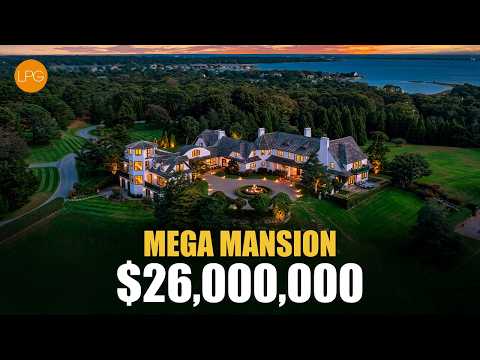
The “insane” label attached to many Texas mansions in 2026 reflects not just size and price, but the depth of resort‑style amenities packed into them. Video tours and marketing materials highlight features such as multi‑level infinity pools, full‑size indoor sports courts, private bowling alleys, professional‑grade gyms, and spa complexes with saunas, steam rooms, and massage suites. In some of the most expensive estates, owners enjoy private helipads, guest casitas arranged like boutique hotel suites, natatoriums (indoor pool halls), outdoor kitchens on a restaurant scale, and staff quarters designed for full‑time service teams.
In Houston and Dallas, branded or quasi‑branded luxury homes emphasize hotel‑inspired living: concierge‑style entry halls, commercial‑grade kitchens capable of catering events, wine rooms built like galleries, and integrated lighting and sound systems that can transform the home into a venue. Positively, these amenities raise the bar for design and construction quality across the market; critically, they also consume significant resources and reinforce a lifestyle gap between ultra‑wealthy owners and the rest of the population.
Dallas–Fort Worth: resort estates in Highland Park and beyond
North Texas remains at the center of the state’s most extravagant single‑family luxury homes. Market reports describe the core Dallas luxury segment (roughly 1 to 5 million dollars and up) as resilient, with Highland Park seeing a roughly 65 percent growth in median price and continued strong demand for premier properties. Homes above 5 million dollars—often in Highland Park, University Park, Preston Hollow, and Westlake—occupy a constrained but powerful niche: limited supply, highly targeted buyers, and strong pricing when homes are executed at the highest level.
Many of these mansions are effectively private resorts: multi‑wing floorplans with separate guest houses, large cabanas and pool houses, outdoor living rooms with fireplaces, and full entertainment basements with theaters and lounges. Positively, such estates support high‑paying jobs in architecture, bespoke construction, interior design, and long‑term property management, and they reinforce Dallas’ status as a global‑tier luxury market. Negatively, the same homes highlight how scarce central land is being reserved for extremely low‑density, ultra‑expensive housing, limiting more inclusive development and contributing to regional inequality in access to services and schools.
Houston: resort mansions and hotel‑style towers
In Houston, luxury agents note that River Oaks and Memorial remain the city’s premier enclaves, with sale prices in those neighborhoods rising even as the broader metropolitan housing inventory swelled to nearly 44,000 homes in 2025. Developers are testing the top of the market with both massive single‑family mansions and branded residential towers that explicitly mimic resort hotels. For example, units in an upcoming Ritz‑Carlton–branded tower in the River Oaks area are being marketed with prices up to 30 million dollars, surpassing the highest single‑family MLS sales in Houston’s history and promising full hotel‑style amenities and resort‑inspired outdoor spaces.
Traditional mansions, meanwhile, offer sprawling pools, outdoor pavilions, guesthouses, and gym/spa complexes that could belong in luxury resorts along the Gulf or Caribbean. Positively, this supports Houston’s evolving identity as more than an oil town—attracting finance, global investors, and affluent professionals who expect cosmopolitan amenities. Critically, Houston’s notorious sprawl and vulnerability to flooding mean that such high‑intensity luxury development can stress drainage and infrastructure systems and widen the gap between well‑protected enclaves and less resilient neighborhoods.
Austin and Hill Country: lifestyle estates and retreats
Austin’s luxury segment has gone through more volatility than Dallas or Houston, including a roughly 20 percent price drop from 2022 peaks in some high‑end segments, but 2026 is seeing renewed interest from out‑of‑state buyers. Luxury agents report that while 2–7 million dollar homes are beginning to move more freely, the ultra‑luxury segment remains more selective, with buyers demanding strong design, views, and lifestyle features—often centered on Hill Country scenery and lake access.
Austin‑area resort‑style estates frequently pair contemporary architecture with outdoor living compounds: negative‑edge pools overlooking canyons, large covered verandas, outdoor bars and kitchens, and hybrid work‑leisure setups with detached studios and wellness spaces. These properties support a positive narrative of Texas as an innovation and lifestyle hub—especially attractive to tech entrepreneurs and remote executives—but they also contribute to rising land prices in surrounding areas and pressure on local water resources, particularly in drought‑prone Hill Country communities.
Economic contribution: jobs, capital, and tax revenue
Texas luxury real estate, particularly at the resort‑style mansion level, is deeply integrated into the state’s broader economic engine. Analysts note that luxury transaction volume is at or near record levels, and that luxury real estate supports significant capital flows, including institutional money re‑entering the market in 2026. A single high‑end project can employ architects, engineers, general contractors, and dozens of specialized trades for years, while active luxury markets sustain entire ecosystems of high‑end brokers, appraisers, stagers, and marketing professionals.
Property tax revenues from these high‑value estates inject substantial funds into local governments and school districts, often stabilizing budgets and enabling infrastructure improvements even when broader economic conditions are uncertain. Positively, this supports public services and can help maintain roads, parks, and public safety across growing metros; critically, however, heavy reliance on property taxes—especially in luxury areas—can also incentivize policies that protect high‑value enclaves while under‑serving more modest neighborhoods.
Social costs and inequality in a “resort” landscape
The rise of resort‑style mansions sharpens the contrast between luxury and everyday housing realities. While ultra‑wealthy buyers enjoy home spas, private theaters, and resort‑grade pools, many Texans face rising rents, high borrowing costs, and contracting inventory in mid‑price segments. Some reports highlight oversupply at the high end—tens of thousands of vacant lots in North Texas, builders cutting housing starts, and mansions sitting on the market for long periods—even as there is unmet demand for affordable and workforce housing.
This dynamic has been framed as a “mansion paradox”: record luxury sales and insane amenities on paper, but empty or underused homes in reality, while critical housing needs remain unaddressed. Positively, high‑end development can still generate jobs and tax revenue; critically, if tax and planning systems do not redirect some of those gains into broader housing solutions and community infrastructure, resort‑style mansions risk becoming symbols of misallocated resources and entrenched inequality.
Environmental and sustainability dimensions
Resort‑style amenities—large pools, irrigated lawns, extensive hardscaping, and energy‑intensive climate control—carry notable environmental implications in a state facing hotter summers, drought risk, and severe storms. Some Texas luxury projects respond with advanced sustainability features: high‑performance building envelopes, solar panels, battery storage, efficient HVAC systems, and smart‑home controls that optimize energy and water use.
Positively, these mansions can function as early adopters of green technologies, helping drive innovation and economies of scale that eventually benefit mainstream housing. Negatively, without thoughtful design and policy, resort‑style estates can exacerbate local strain on water supplies, drainage networks, and power grids—particularly when clustered in environmentally sensitive areas like floodplains or water‑stressed Hill Country zones.
Net assessment: spectacle, strategy, and responsibility
Texas luxury real estate in 2026—especially the “insane” mansions with resort‑style amenities—sits at the intersection of spectacle and strategy. For high‑net‑worth buyers and institutional investors, these properties offer status, lifestyle, and a potentially resilient store of value in a business‑friendly state. For the broader economy, they generate jobs, tax revenues, and design innovation that can ripple outward into other sectors.
At the same time, they magnify existing challenges: uneven access to housing, pressure on infrastructure and ecosystems, and a policy landscape that must decide whether luxury growth is harnessed for shared progress or allowed to deepen divides. For long‑term legitimacy—whether in public opinion or search engines evaluating trust and authority—the strongest narrative around Texas’ resort‑style mansions will be one that acknowledges their glamour and economic contribution while insisting on responsibility: using the wealth they represent to support more inclusive, resilient, and sustainable development across the state.