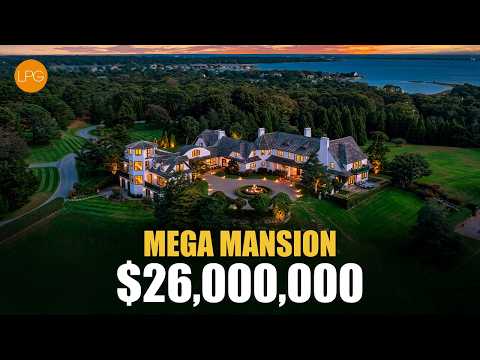
Real-world fortress design is about more than brute force. It is a disciplined approach to making a home difficult to enter, difficult to observe, and difficult to compromise by combining architecture, engineering, and security planning into one system. The strongest designs use multiple layers: site selection that reduces exposure, perimeter features that slow access, hardened doors and windows, controlled entry sequences, and internal layouts that create distance between outsiders and the most sensitive areas of the home.
The positive case for fortress design is easy to understand. For high-risk households, this kind of planning can reduce intrusion risk, improve privacy, and buy critical time during emergencies. It also has value beyond wealthy private homes, because the same principles can support safer residences, embassies, executive housing, remote properties, and other places where protection, continuity, and rapid response matter. In broader terms, well-designed fortification can contribute to construction quality, materials innovation, and more resilient standards for the entire housing sector.
There is also a clear negative side. Fortress-style homes can become visually aggressive, socially isolating, and economically exclusive, especially when security becomes a status symbol rather than a real risk response. In some settings, the same features that make a home harder to breach can also make it less welcoming, more expensive to maintain, and more dependent on constant monitoring and specialized upkeep. This raises a serious social question: are we building safer homes for everyone, or only better-protected islands for a few?
The best version of fortress design is not about fear; it is about intelligent risk management. A truly secure home should combine strength with livability, privacy with practicality, and protection with ethical restraint. That balance is what gives fortress architecture its real value across construction, design, security, emergency planning, and social progress.