How Smartphones Are Transforming Healthcare
Your smartphone is now one of the most important medical devices you own. What started as a simple communication tool has evolved into a sophisticated healthcare platform capable of monitoring vital signs, detecting diseases, connecting you with doctors, and even guiding treatment decisions.
In 2026, smartphones are at the center of a fundamental shift in healthcare — moving care from hospitals and clinics directly into people’s hands.
How Smartphones Are Revolutionizing Healthcare
Smartphones are transforming medicine in several key ways:
Remote Consultations (Telemedicine): Millions of patients now see doctors through high-quality video calls. This is especially valuable for people in rural areas, those with mobility issues, or anyone needing quick medical advice.
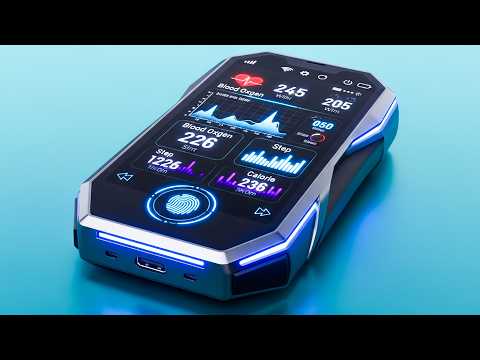
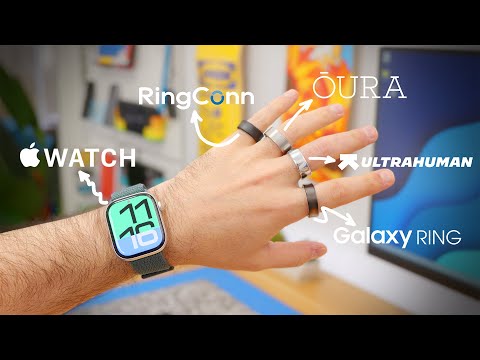
Health Monitoring: Built-in sensors and connected apps allow smartphones to track heart rate, blood oxygen, sleep patterns, steps, and even irregular heart rhythms. When paired with wearables, they become powerful continuous monitoring systems.
Diagnostic Tools: Smartphone attachments and AI-powered apps can now turn your phone into a mini medical lab. Examples include:
Apps that analyze photos of skin lesions for skin cancer risk.
Portable ECG devices that connect to your phone.
AI apps that can detect ear infections, respiratory issues, or eye conditions through the camera.
Medication Adherence and Chronic Disease Management: Apps remind patients to take medications, track symptoms, and share data with doctors in real time.
Dr. Eric Topol, a leading cardiologist and digital health pioneer, has described smartphones as “the most important medical instrument of the 21st century.” According to Dr. Topol, the combination of smartphones, sensors, and AI is creating an era of “digitized medicine” that puts more power and information directly into patients’ hands.
Real Impact in 2026
Telemedicine usage remains high, with studies showing high patient satisfaction and reduced no-show rates.
Smartphone-based ECG devices have helped detect thousands of cases of atrial fibrillation that would have gone unnoticed.
In low-resource settings, smartphone apps are being used to screen for diabetic retinopathy and cervical cancer with accuracy comparable to specialists.
Chronic disease management apps have demonstrated measurable improvements in diabetes control, hypertension management, and mental health outcomes.
The Importance for Medicine, Technology, and Humanity
For Medicine: Smartphones enable more frequent, personalized, and proactive care. They help doctors make better decisions with real-world data and improve access for millions of people.
For Technology: They drive massive innovation in sensors, AI algorithms, secure data transmission, and user-friendly health interfaces.
For Humanity: Smartphones democratize healthcare. They give people greater control over their own health, reduce barriers caused by geography or mobility, and empower individuals to make more informed decisions. This is especially important for aging populations, people with chronic conditions, and those living in underserved areas.
A Critical and Honest View
However, smartphones and digital health tools also come with significant challenges:
Digital Divide: Not everyone has access to high-quality smartphones or reliable internet, which can widen healthcare inequalities.
Data Privacy: Health information collected by phones is highly sensitive, and many apps have questionable privacy practices.
Over-Diagnosis and Anxiety: Constant monitoring can lead to unnecessary worry and over-medicalization of normal variations.
Accuracy Issues: Many health apps and sensors are not medically validated and can give misleading information.
Reduced Human Connection: Over-reliance on digital tools may weaken the important doctor-patient relationship.
Dr. Robert Wachter, Chair of the Department of Medicine at UCSF, warns that while digital tools are powerful, “we must ensure technology enhances, rather than replaces, human connection in healthcare.”
The Bottom Line
Smartphones are genuinely transforming healthcare by making it more accessible, continuous, and personalized. They are powerful tools that put advanced capabilities directly into the hands of patients and doctors.
However, they are not a complete solution. The most effective approach combines the convenience and data power of smartphones with the expertise, empathy, and judgment of human healthcare professionals.
The future of healthcare is increasingly digital — and the smartphone is leading the way. The real question is not whether smartphones will change medicine, but how wisely we choose to use them.
The revolution is already here, and it fits in your pocket.