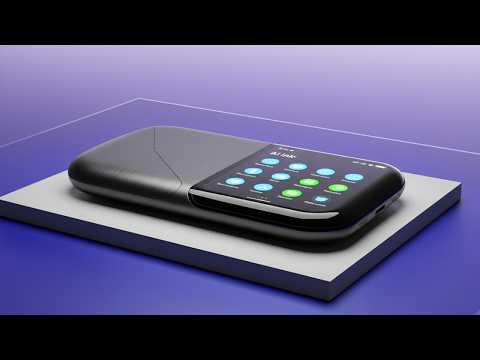
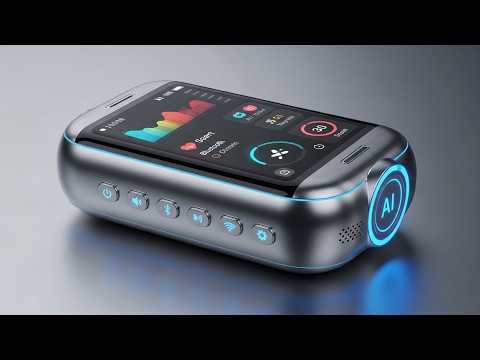
Why Post‑Smartphone AI Gadgets Will Dominate Everyday Life Starting in 2026 argues that AI‑enabled wearables, glasses, pins, rings, and smart‑home systems are quietly becoming the primary layer of personal computing, even if smartphones still sit in our pockets. In 2026, companies like Meta, Samsung, Google, Apple, OpenAI, Lenovo, Vertu, XREAL, and niche AI‑hardware startups are shipping AI‑native, often screen‑minimal gadgets that don’t just supplement phones—they handle communication, navigation, health‑tracking, memory‑extension, and productivity with far less screen‑time.
Analysts at The New York Times, World Economic Forum, CES 2026 coverage, and tech‑trend blogs describe 2026 as the year when ambient, audio‑first, and AR‑based interfaces become legitimate “mobile‑companion platforms,” while AI‑phones themselves evolve from “Swiss‑knife rectangles” into AI‑assistant‑hubs that feed those post‑smartphone gadgets. At the same time, critical voices warn that this shift can deepen privacy erosion, dependency, and inequality, if users and regulators don’t treat AI‑hardware as augmentation rather than replacement.
1. What “post‑smartphone AI gadgets” really mean
Positive definition (opportunity)
Ambient, not screen‑obsessed:
Instead of constantly staring at a rectangle, people use AI‑earbuds, AI‑pins, smart glasses, rings, and AI‑home‑hubs that interact via voice, gestures, and subtle AR‑overlays, keeping them more present in the real world.
AI‑native, not app‑replicas:
These gadgets run AI models locally or near‑edge, so they can summarize conversations, translate speech, guide navigation, or track health, often without sending raw data to the cloud.
Critical / negative angle (risk)
Always‑on surveillance‑by‑design:
Lifelogging‑style AI‑pins and always‑on‑camera glasses can record facial‑emotions, conversations, and environments, creating de‑facto surveillance if not tightly governed by consent‑laws and clear UX‑signals.
Data‑centric lock‑in:
Many AI‑gadgets rely on closed‑platform ecosystems (e.g., Meta, Google, Apple), so users may lose control over how their habits, health‑data, and behavior are used for advertising, profiling, or credit‑scores.
2. Most promising post‑smartphone AI gadgets (2026–2028)
a) AI‑smart glasses (Ray‑Neo, Meta‑style, XREAL‑Aura, others)
Impact and advantages:
Navigation, live translation, environmental labels, and reminders overlaid directly on vision, reducing need to pull out a phone while walking, driving, or working in the field.
Enterprise‑workers use AR‑glasses for repair‑guides, inventory‑checks, and hands‑free video‑calls, effectively turning them into “mobile‑task‑hubs.”
Real‑world results:
Early adopters say they keep phones in pockets for multitasking and content‑editing, but delegate calls, translation, and quick‑searches to glasses.
Risks:
Privacy‑anxiety in public spaces, and regulatory uncertainty around constant‑camera‑use.
b) AI‑wearable pins and “lifeloggers” (AI‑pins that record audio and context)
Impact and advantages:
Devices like AI‑pins automatically record meetings, lectures, or walks, then generate summaries, action‑lists, and searchable transcripts, acting like a “second memory.”
Students and professionals gain detailed records without manually note‑taking, improving recall and efficiency.
Risks:
Recording others without their awareness can violate privacy and consent, and companies may store voice‑data for AI‑training or advertising‑personalization.
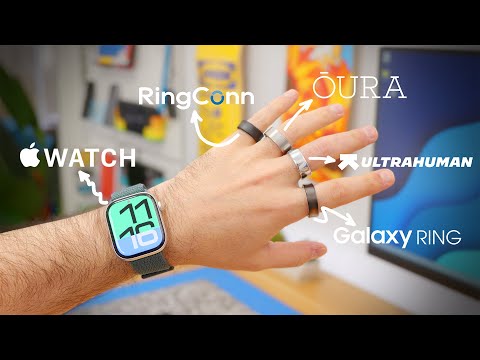
c) AI‑rings for health and sleep (Samsung Galaxy Ring‑style, other AI‑rings)
Impact and advantages:
Lightweight rings track sleep‑quality, heart‑rate, temperature, and movement, providing long‑term health‑signals without the bulk of a watch.
Ideal for people who dislike wearing smartwatches to bed or want discreet, 24/7 monitoring.
Risks:
Health‑profiles built‑from‑biometrics can be sold or misused by insurers, employers, or advertisers if not well‑regulated.
d) AI‑earbuds and open‑ear AI‑audio devices
Impact and advantages:
Audio‑only AI‑earbuds answer questions, translate speech, send alerts, and summarize calls without a visible screen, letting users stay in conversations while getting AI‑help.
Commuters, drivers, and remote‑workers rely on them for hands‑free assistance, making phones secondary for many tasks.
Risks:
Constant‑audio‑interference can create cognitive‑overload, and background‑voice‑capture may pick up private conversations.
e) AI‑home robots and “ambient AI‑hubs” (Amazon, Samsung, OpenAI‑style home‑agents)
Impact and advantages:
Robots and smart‑home‑hubs act as central AI‑brains that control lighting, appliances, security, entertainment, and reminders, learning family‑routines to create “auto‑mode” environments.
Users can walk into a room and find temperature, lighting, and music already aligned with their habits, with minimal manual‑input.
Risks:
Single‑hub‑centric systems create single‑point‑of‑failure and central‑data‑stores that, if breached, can expose entire household‑patterns.
f) AI‑cars and autonomous‑taxi interfaces
Impact and advantages:
In 2026 cities, AI‑driven cars and robot‑taxis use on‑vehicle AI to manage routes, traffic, and in‑car‑entertainment, turning the car into a mobile meeting‑room and media‑hub instead of just a trip.
Risks:
If AI‑driven mobility becomes compulsory for certain jobs or social‑activities, people without those gadgets may be left behind.
3. Real‑world scenarios where post‑smartphone gadgets dominate (and where they don’t)
Positive scenarios (gadgets as true “post‑smartphone” platforms)
Work‑day without screen‑checking:
A remote worker uses AI‑pins to record all meetings, AI‑earbuds to summarize emails, and smart glasses for navigation and quick‑searches, while the phone only comes out for deep‑content‑editing or long‑threads.
Travel, hands‑free and language‑free:
A tourist in a foreign city relies on AI‑smart glasses that translate street‑signs, menus, and speech, with AI‑earbuds quietly narrating directions and translations, letting them keep their phone in their bag.
Home life managed by AI:
A family’s smart‑home hub and AI‑robot automatically adjust lighting, heating, and security, while AI‑rings and AI‑watches monitor health, reducing stress and manual‑setting‑tweaking.
High‑risk jobs with AI‑assistance:
A factory‑technician or surgeon uses AI‑smart glasses to see step‑by‑step repair‑guides or anatomical‑overlays, hands‑free, so the phone remains disconnected during critical tasks.
Negative / critical scenarios
Surveillance‑as‑care:
A company introduces AI‑pins to “track focus” and “meeting‑quality,” then uses AI‑reports to rank employees, creating pressure, stigma, and invisible‑monitoring‑culture.
Health‑anxiety from AI‑dashboards:
Someone receives constant AI‑alerts from their AI‑ring about “borderline‑rest” or “possible‑stress‑spike,” which increases anxiety even when doctors find no clinical issues.
Copy‑paste‑ad‑worlds via AR‑glasses:
Smart glasses that overlay AR‑ads, special‑offers, and brand‑messages on the real‑world (stores, streets, transport) can turn public spaces into “constant‑sales‑zones,” degrading user‑experience.
Exclusion of low‑income users:
AI‑earbuds, smart glasses, and AI‑home robots are expensive, so low‑income or rural users may miss out on health‑alerts, productivity‑boosts, and AI‑mobility, widening the digital‑divide.
4. Why “post‑smartphone AI gadgets will dominate everyday life” in 2026 and beyond
Why Post‑Smartphone AI Gadgets Will Dominate Everyday Life Starting in 2026 shows that AI‑hardware is no longer about “putting more AI into phones”; it’s about dispersing intelligence across ambient, wearable, and environmental devices.
This evolution can:
Free us from screen‑hunching, by making AI‑help hands‑free and context‑aware.
Improve accessibility, especially for language‑learners, visually‑impaired users, and high‑risk workers, through AI‑translation, AR‑guidance, and health‑monitoring.
Automate tedious tasks, from notes and navigation to home‑management and transportation, freeing human‑time for creativity and connection.
Yet, if this transformation happens without strong privacy‑laws, explainable AI, and human‑agency safeguards, post‑smartphone gadgets may quietly become invisible controllers:
shaping habits,
nudging purchases,
and profiling us more deeply than any website ever could.
For 2026 and beyond, the key will be to treat post‑smartphone AI gadgets as augmentation tools that serve humans, not silent masters. If that happens, people may look back at 2026 as the year when we finally started living with AI, instead of living inside our phones.