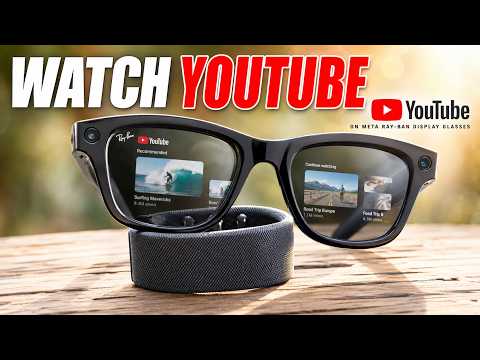
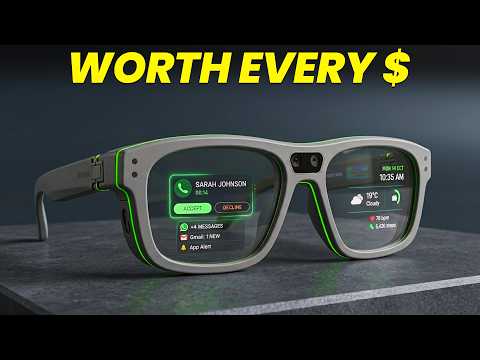
How AI Smart Glasses 2.0 Are Replacing Smartphones in 2026 (Real‑World Results) argues that 2026 marks the year when AI‑powered smart glasses stop being “phone‑companion gimmicks” and begin functioning as the primary interface for daily life—especially for communication, navigation, and information‑access. In 2026, products from Meta (Ray‑Ban AI Glasses), Samsung, Warby Parker, Gentle Monster, RayNeo, Xiaomi, and others show that users can increasingly leave the phone in their pocket and still handle calls, photos, navigation, translation, and social‑sharing with hands‑free AI glasses.
Analysts at CNET, Treeview Studio, TechTimes, and smart‑glasses‑review‑labs note that smart glasses have gone from “clunky tech demos” to wearable‑first experiences, supported by better optics, lighter frames, stronger on‑device AI, and more natural voice‑interfaces. Yet, despite early wins, many real‑world tests show that smartphones are not yet fully dead—especially in content‑creation, multitasking, and legal‑or‑social‑sensitive scenarios.
Below is a 2026‑level breakdown of how AI smart glasses 2.0 are changing mobile behavior, with positive and critical angles, specific use‑case scenarios, and the gadgets that look most promising for the future.
1. How AI smart glasses 2.0 are replacing smartphones: real‑world use cases
Positive: when glasses really replace phone‑habits
Hands‑free navigation and local info:
Users in cities plug in AI smart glasses (e.g., Ray‑Ban Meta‑style or AR‑display models) and walk through streets while arrows, distances, and points‑of‑interest appear in‑field‑of‑view, reducing the need to pull‑out a phone.
Live‑translation and social‑interaction:
Travelers use AI smart glasses with real‑time AR‑translation of signs, menus, and speech, letting them order food, read bus‑schedules, or chat with locals without typing in Google Translate.
Audio‑only AI‑glasses as communication‑hubs:
People keep camera‑and‑speaker glasses (like Meta‑style AI‑glasses with no visible screen) on all day, taking calls, receiving AI‑summaries of emails, and asking quick questions via voice, without constantly checking a screen.
Field‑work and enterprise:
In logistics, field service, and manufacturing, workers use AR‑smart glasses for repair‑guides, inventory‑checks, and hands‑free video‑calls, often leaving the phone disconnected or in a bag.
In these cases, users report reduced screen‑time, less distraction, and smoother workflows—a clear sign that smart glasses are starting to absorb smartphone‑roles rather than just supplement them.
2. Critical / negative angles: why smartphones are not fully dead yet
Despite progress, reviewers and real‑world tests still show limits:
Battery and wear‑comfort:
Even 2026‑models rarely last a full heavy‑day of continuous AR and AI‑use; battery‑life and heating remain bigger pain‑points than on phones.
Display and input limitations:
Micro‑displays are small, and typing or multitasking (e.g., editing documents, comparing apps side‑by‑side) is still far easier on a large‑screen phone or tablet.
Privacy and social‑acceptance:
Glasses with visible cameras raise consent and surveillance worries; users report people feeling uncomfortable when they see a glass‑lens camera or hear “okay”‑style wake‑words in public.
Limited yet fragile ecosystems:
The AR app ecosystem is still narrow compared with smartphones; many “replacement” experiences only work well in specific workflows, not across all‑daily‑tasks.
For many people, 2026‑smart glasses are primary for context and convenience, but smartphones remain essential for heavy input, content‑editing, and certain apps.
3. Most promising AI smart glasses for the future and their impacts
Below are some of the most promising AI‑smart‑glasses models and types for 2026 and beyond, with their advantages and risks.
a) Meta Ray‑Ban AI Smart Glasses (2nd‑gen)
Impact and advantages:
Camera‑and‑speaker only, no visible AR‑screen, focused on AI‑voice‑assistant, live‑photo‑sharing, and hands‑free calls.
Feels like “audio‑smartphone replacement” for walking, driving, and casual workdays.
Real‑world results:
Users report relying on them for calls, quick questions, and capturing spontaneous moments, but still using phones for typing, browsing, and photo‑editing.
Risks:
Privacy‑perception issues due to always‑on‑camera‑potential in social spaces.
b) Ray‑Neo‑style AR‑smart glasses (RayNeo X3‑Pro, etc.)
Impact and advantages:
Standalone AI‑glasses with full‑color micro‑displays and onboard processors, enabling navigation, translation, search, and even productivity‑apps visible on‑lens.
Aimed at enterprise‑field‑workers, travelers, and pro‑users who want heavy‑AR‑tasks without a phone.
Real‑world results:
Early adopters in logistics and tourism say they eliminate phone‑pulling in most outdoor tasks, but still recharge mid‑day and use phones for deep‑content work.
Risks:
Steep price, high‑power‑consumption, and complex UX limit mass‑consumer‑adoption in 2026.
c) Warby Parker / Gentle Monster‑style AI smart glasses
Impact and advantages:
Fashion‑first glasses with embedded AI‑assistants and camera‑capabilities, designed to look like regular spectacles to avoid “tech‑on‑face” stigma.
Great for everyday users who want subtle assistance without feeling like lab‑techies.
Risks:
Users may underestimate what data the glasses are collecting, because they look so “normal” and non‑threatening.
d) AI‑camera‑clip‑glasses and add‑on‑kits
Impact and advantages:
Clip‑on AI‑camera modules that turn any regular glasses into smart glasses, lowering entry‑cost.
Useful for students, journalists, and field workers who want recording‑and‑AI without investing in full‑AR‑frames.
Risks:
More fragile, less polished experience, and often less‑secure hardware stack compared with integrated AI‑glasses.
e) Enterprise‑AR‑headsets with AI‑overlays (e.g., specialized industrial glasses)
Impact and advantages:
Heavy‑duty AR‑smart glasses for surgeons, pilots, factory technicians, and warehouse workers use AI to overlay diagrams, measurements, and safety‑alerts, almost always replacing the need to carry and interact with a phone.
Real‑world results:
Medical and industrial pilots show reduced errors and faster procedures because hands stay on tools, eyes stay on scenes, and AI‑guides come directly into view.
Risks:
High‑cost and niche‑availability mean only certain industries benefit so far; not a “mass‑replacement” of smartphones yet.
4. Real‑world scenarios where glasses replace phones (and where they don’t)
Positive scenarios (glasses winning vs. phones)
Tourist in a foreign city:
A traveler uses AI‑smart glasses that translate street‑signs, restaurant‑menus, and spoken street‑vendors in real time, while the phone stays in the backpack. The experience feels like natural vision‑+‑AI, not like “touch‑screen‑tourism.”
Delivery driver:
A last‑mile rider uses AR‑smart glasses for navigation arrows, package‑scanning, and in‑field‑customer‑help, without needing to take out their phone at every stop, reducing distraction and handling time.
Remote worker commuting:
A consultant walks to a meeting wearing AI‑glasses that read aloud important emails, summarize Slack threads, and translate incoming calls, all via voice and minimal‑screen‑glances, letting them arrive “mentally pre‑briefed.”
Sales‑rep in-store:
A retail‑assistant uses AI‑smart glasses to see customer‑purchase‑history, stock‑availability, and cross‑sell‑tips while keeping eye‑contact, instead of constantly checking a phone‑screen.
Negative / critical scenarios
Public‑space surveillance‑perception:
People in cafes or parks feel uneasy when someone constantly wears AI‑glasses, unsure whether their faces or conversations are being recorded, even if the user isn’t doing so. This can slow social‑acceptance and adoption.
Battery‑induced dependency flip‑flopping:
Someone switches to AI‑smart glasses for a day, but when the battery drops, they revert to heavy‑phone‑use, creating a “two‑devices‑drain” instead of a true replacement.
Legal and safety limits in cars:
In many regions, AR‑display‑glasses are not allowed while driving, so users must still use phones or car‑screens for navigation, blocking a key smartphone‑replacement opportunity.
Fragmented app‑experience:
Certain apps only work fully on phones (e.g., banking, deep‑social‑editing, full‑multitasking), so users must carry both, undoing the “phone‑in‑pocket” dream.
5. Why “AI Smart Glasses 2.0 replacing smartphones” matters in 2026
How AI Smart Glasses 2.0 Are Replacing Smartphones in 2026 (Real‑World Results) shows that 2026 is the transitional year when smartphones still dominate, but AI smart glasses are starting to eat at their core use‑cases: calling, messaging, navigation, translation, and light‑information‑access.
In practical terms, 2026‑glasses are not a full‑scale smartphone‑killer but an early‑replacement‑for‑context‑tasks, especially in mobility‑heavy, hands‑free, or industry‑focused workflows.
For this evolution to be healthy, companies and regulators must:
Keep AI‑glasses genuinely optional, not mandatory in workplaces or services.
Improve transparency around recording, AI‑data use, and battery‑life.
Balance performance with privacy and social‑acceptance, so glasses feel like empowerment, not silent surveillance.
If these issues are handled well, AI smart glasses 2.0 could, over the next 5–10 years, become the true post‑screen computing era: a world where your phone sits in your pocket, and your smart glasses quietly do the work right in front of your eyes.