Body Sensors: The New Era of Preventive Medicine
For most of human history, medicine has been reactive — you get sick, then you seek treatment. Today, a quiet revolution is underway. Body sensors are changing healthcare from reactive to proactive, allowing us to detect problems long before symptoms appear.
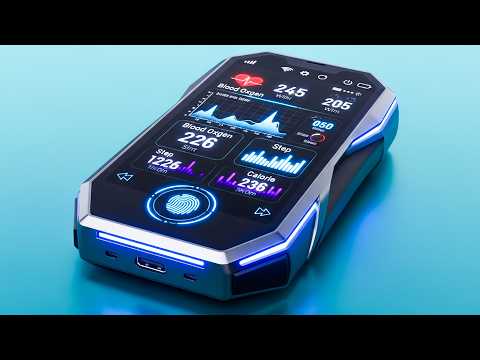
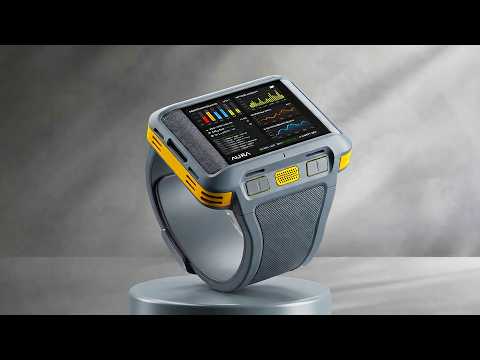
From smartwatches and rings to advanced patches and implantable sensors, continuous health monitoring is creating a new era of preventive medicine.
How Body Sensors Work
Modern body sensors combine multiple technologies:
Optical sensors (for heart rate and blood oxygen)
Electrical sensors (for ECG and heart rhythm)
Biochemical sensors (for glucose, lactate, and hydration)
Motion and temperature sensors
These devices collect data 24/7 and use artificial intelligence to identify meaningful patterns. The information is sent to smartphones or directly to healthcare providers, creating a continuous stream of personalized health insights.
In 2026, the most advanced systems can detect irregular heart rhythms, early signs of infection, sleep disorders, metabolic changes, and even predict potential heart attacks or strokes days in advance.
Real Progress in 2026
Apple Watch and similar devices now detect atrial fibrillation with high accuracy and have been credited with saving lives through early warnings.
Continuous Glucose Monitors (CGMs) have transformed diabetes management, reducing dangerous blood sugar fluctuations.
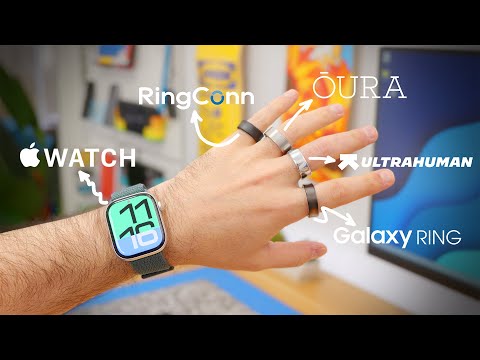
Advanced Wearables like the Oura Ring and Whoop strap are helping athletes and everyday users optimize recovery, sleep, and stress levels.
Implantable Sensors are being used in high-risk cardiac patients to provide real-time pressure and rhythm data.
Dr. Eric Topol, a leading cardiologist and digital health expert, has been one of the strongest proponents of this shift. He argues that continuous sensor data gives doctors a far richer understanding of health than occasional check-ups. According to Dr. Topol, we are moving from “snapshot medicine” to “continuous medicine.”
The Importance for Medicine, Technology, and Humanity
For Medicine: Body sensors enable true prevention. Instead of treating diseases after they cause damage, doctors can intervene early, often preventing serious complications entirely. This shift could dramatically reduce healthcare costs and improve outcomes.
For Technology: These sensors are driving innovation in miniaturization, battery life, AI algorithms, secure data transmission, and user-friendly design.
For Humanity: The greatest value is empowerment. People can understand their bodies better, make informed lifestyle choices, and catch problems early. This is especially important for aging populations, people with chronic conditions, and those living in areas with limited healthcare access. Ultimately, it gives individuals more control over their own health and longevity.
A Critical and Honest View
Despite the promise, important challenges remain:
Data Accuracy: Not all sensors are medically validated. Many consumer devices still produce unreliable readings.
Alert Fatigue: Constant notifications can cause unnecessary anxiety or cause people (and doctors) to ignore real warnings.
Privacy Risks: Continuous health data is highly sensitive. Security breaches could have serious consequences.
Inequality: Advanced sensors are expensive and often require smartphones and digital literacy, leaving many people behind.
Over-Medicalization: Constant monitoring may turn normal life variations into perceived medical problems.
Dr. Topol himself warns that while the technology is powerful, “we must be careful not to create a generation of digital hypochondriacs.”
The Bottom Line
Body sensors are genuinely ushering in a new era of preventive medicine. By providing continuous, real-time insights into our health, they shift the focus from treating illness to maintaining wellness.
The future of healthcare will not be about waiting until something goes wrong. It will be about knowing what’s happening inside your body every single day — and acting on that knowledge wisely.
This revolution is already underway. The question is no longer whether body sensors will change medicine, but how effectively we integrate them into our lives and healthcare systems.
The era of prevention has begun — and it’s happening one sensor at a time.