The Future of Digital Health Has Already Begun
We often think of “the future of healthcare” as something distant. But the truth is: the future has already arrived. Digital health technologies are no longer experimental — they are actively reshaping how we prevent, diagnose, treat, and manage health every single day.
From smartwatches that detect heart problems to AI systems that analyze medical images in seconds, digital health is moving from hype to real clinical impact.
What Digital Health Looks Like in 2026
Digital health encompasses a wide range of tools:
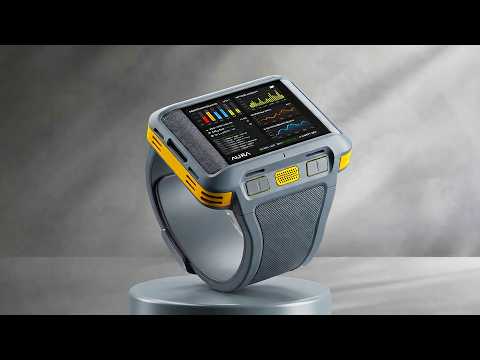
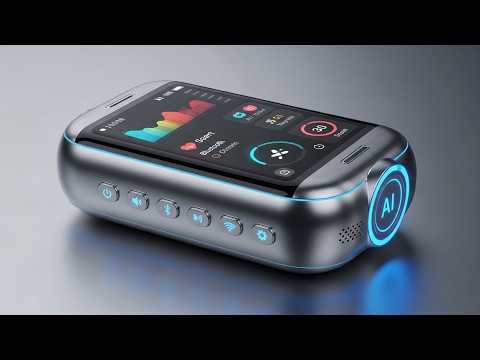
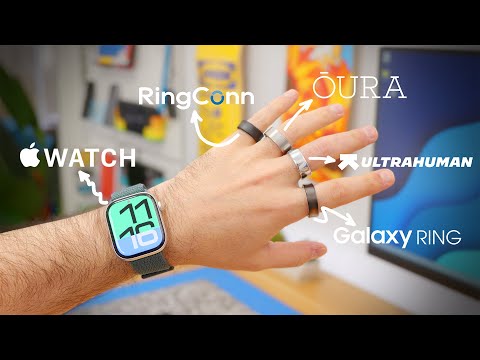
Wearables and Sensors — Devices like the Apple Watch, Oura Ring, and continuous glucose monitors track vital signs 24/7.
Artificial Intelligence — AI helps radiologists detect cancer, cardiologists interpret ECGs, and primary care doctors triage patients.
Telemedicine and Remote Monitoring — Doctors can now monitor chronic conditions from afar and conduct high-quality consultations online.
Personalized Health Platforms — Apps and algorithms deliver customized recommendations based on your genetics, lifestyle, and real-time data.
Dr. Eric Topol, one of the world’s leading voices in digital medicine and author of Deep Medicine, explains it best:
“We are shifting from an era of intermittent medicine — where you only see a doctor when you’re sick — to continuous, proactive, and personalized care.”
His research and that of many others show that this shift is already improving outcomes in cardiology, diabetes, mental health, and chronic disease management.
Real Impact and Benefits
Earlier Detection: Smart devices can identify irregular heart rhythms, sleep apnea, and early signs of diabetes before traditional symptoms appear.
Better Chronic Disease Management: Remote monitoring has reduced hospital readmissions for heart failure by 25–38% in multiple studies.
Increased Access: Telemedicine has brought specialist care to rural and underserved communities.
Empowered Patients: People have more visibility into their own health data, leading to better engagement and healthier behaviors.
For medicine, this means more efficient care, reduced costs, and better patient outcomes. For technology, it drives massive innovation in sensors, AI, and data security. For humanity, it offers the promise of longer, healthier lives with fewer unnecessary hospital visits and greater personal control over health.
A Balanced and Critical View
However, digital health is not without problems:
Data Overload and Alert Fatigue: Doctors can become overwhelmed with constant streams of information.
Privacy Risks: Health data is highly sensitive, and breaches are increasing.
Digital Divide: Not everyone has access to smartphones, reliable internet, or the ability to use these technologies effectively.
Over-Reliance: There is growing concern that too much dependence on devices and algorithms may weaken the human elements of medicine — empathy, clinical judgment, and the doctor-patient relationship.
Regulation Gaps: Many consumer health apps and devices are not rigorously tested or regulated like traditional medical tools.
Dr. Robert Wachter, Chair of the Department of Medicine at UCSF and a leading expert on digital health, warns:
“Digital health tools are powerful, but we must integrate them thoughtfully. Technology should support the human relationship between doctor and patient, not replace it.”
The Bottom Line
The future of digital health has already begun — and it is both exciting and complex.
We are witnessing a fundamental transformation: from reactive, hospital-centered care to proactive, continuous, and personalized health management. This shift has the potential to make healthcare more accessible, efficient, and effective.
Yet, success will depend on how wisely we implement these tools. The greatest challenge ahead is not technological — it is ensuring that digital health serves all people fairly, protects privacy, and strengthens rather than weakens the human connection at the heart of medicine.
The future is already here. Now it’s up to us to shape it responsibly.