Smart Devices Are Revolutionizing Medical Diagnosis
Your smartphone and smartwatch are no longer just for calls, messages, and fitness tracking. They are becoming powerful medical tools capable of detecting serious health conditions — sometimes even before you feel any symptoms.
In 2026, smart devices are at the forefront of a quiet revolution in healthcare, shifting diagnosis from hospital-based tests to continuous, real-world monitoring.
How Smart Devices Are Changing Diagnosis
Modern smart devices combine advanced sensors, artificial intelligence, and instant data transmission to monitor vital signs 24/7. Here are the most impactful examples:
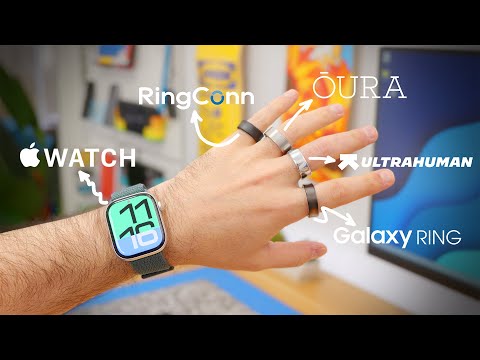
Apple Watch and ECG Monitoring: The Apple Watch can detect atrial fibrillation (AFib) with impressive accuracy. Large studies, including the Apple Heart Study involving over 400,000 participants, showed it could identify irregular heart rhythms effectively. In 2026, newer models offer even more advanced features, including sleep apnea detection and blood oxygen monitoring.
Continuous Glucose Monitors (CGMs): Devices like Dexcom and Abbott’s Freestyle Libre have transformed diabetes care. They provide real-time glucose readings every few minutes, helping patients and doctors spot dangerous fluctuations instantly. Clinical trials show CGMs can reduce A1C levels by 0.5–1.0% on average and significantly lower hypoglycemia events.
Wearable ECG Patches and Blood Pressure Monitors: Companies like AliveCor and Omron have developed clinically validated devices that allow remote diagnosis of heart conditions and hypertension.
Dr. Eric Topol, a leading cardiologist and author of Deep Medicine, has been one of the strongest advocates for this shift. He argues that continuous data from smart devices provides a far more accurate picture of a patient’s health than occasional clinic visits. According to Dr. Topol, we are moving from “intermittent” to “continuous” medicine.
The Real Impact in 2026
Early detection of heart rhythm problems has reduced strokes in high-risk patients.
CGMs have improved glycemic control for hundreds of thousands of people with diabetes.
Smart devices are helping catch conditions like sleep apnea and hypertension earlier, preventing long-term complications.
A 2025 study published in The New England Journal of Medicine found that patients using smart monitoring had 22% fewer hospitalizations for heart-related issues compared to traditional care.
The Importance for Medicine, Technology, and Humanity
For Medicine: Smart devices enable proactive care instead of reactive treatment. They allow doctors to intervene earlier and personalize treatment plans based on real-world data.
For Technology: These devices drive rapid innovation in sensors, battery life, AI algorithms, and secure data transmission — pushing the entire tech industry forward.
For Humanity: They empower individuals to take control of their health. People can monitor chronic conditions from home, reduce anxiety through better awareness, and live more independent lives. This is especially valuable for elderly patients, people in rural areas, and those with limited access to healthcare facilities.
A Critical and Honest View
Despite the benefits, important challenges exist:
Accuracy Issues: Not all devices are medically validated. Many consumer wearables still produce false positives or unreliable readings.
Data Overload: Doctors can become overwhelmed with constant streams of information, leading to alert fatigue.
Privacy Risks: Health data is highly sensitive, and security breaches are a growing concern.
Inequality: Advanced smart devices are expensive and often require smartphones and reliable internet, leaving many low-income and elderly patients behind.
Dr. Mintu Turakhia, a cardiac electrophysiologist and researcher at Stanford, warns that while the technology is powerful, “we must ensure these devices improve care and don’t create new problems through misinformation or overdiagnosis.”
The Bottom Line
Smart devices are genuinely revolutionizing medical diagnosis by making it more continuous, accessible, and proactive. They are not perfect replacements for traditional medical care, but when used correctly, they provide valuable insights that can save lives and improve outcomes.
The future of medicine is increasingly connected. Smart devices won’t replace doctors — they are becoming essential tools that help doctors and patients work together more effectively than ever before.
The revolution is already here — and it’s happening in your pocket and on your wrist.