Remote Monitoring: Doctors Can Track Your Health From Anywhere
Imagine your doctor knowing your heart rate, blood sugar, blood pressure, or oxygen levels 24/7 — without you needing to visit a clinic. This is no longer science fiction. Remote patient monitoring (RPM) is rapidly becoming a standard part of modern healthcare.
Using wearable devices, smart sensors, and wireless technology, doctors can now monitor patients continuously from hundreds or even thousands of miles away.
How Remote Monitoring Works
Remote monitoring systems typically involve:
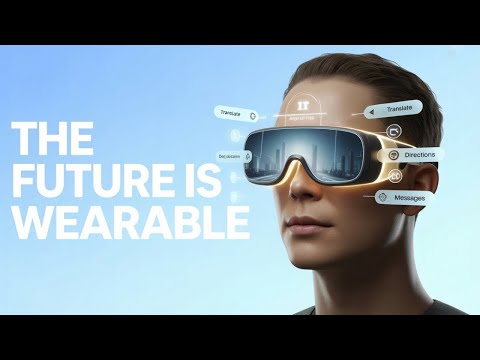
Wearable devices or implanted sensors that collect vital signs in real time.
Smartphone apps or home hubs that securely transmit data to healthcare providers.
AI-powered platforms that analyze the data and alert doctors to concerning changes.
Popular examples include:
Continuous Glucose Monitors (CGMs) for diabetes
Smartwatches with ECG and irregular heart rhythm detection
Implantable cardiac monitors for arrhythmia patients
Blood pressure cuffs and pulse oximeters connected via Bluetooth
Impressive Progress in 2026
The adoption of remote monitoring has accelerated dramatically:
Over 45 million Americans were using some form of remote monitoring in 2025, according to the American Telemedicine Association.
In cardiology, remote monitoring has reduced hospital readmissions for heart failure patients by 25–38% in multiple large studies.
For patients with diabetes using CGMs, studies show an average reduction in A1C levels of 0.5 to 1.0 percentage points, significantly lowering complication risks.
Dr. Eric Topol, a world-renowned cardiologist and author of Deep Medicine, has been a leading advocate for remote monitoring. He argues that continuous data gives doctors a far more complete picture of a patient’s health than occasional office visits. His research highlights how remote monitoring can detect problems days or weeks before symptoms appear.
Dr. Reed Tuckson, former EVP of UnitedHealth Group, notes that remote monitoring is especially valuable for managing chronic conditions, reducing emergency visits, and improving care for elderly and rural patients.
The Real Value for Medicine, Technology, and Humanity
For Medicine: Remote monitoring shifts care from reactive to proactive. Doctors can intervene earlier, personalize treatment plans, and reduce unnecessary hospitalizations.
For Technology: It drives innovation in wearable sensors, wireless connectivity, data security, and artificial intelligence for pattern recognition.
For Humanity: This technology improves quality of life by allowing patients to stay at home instead of in hospitals. It is particularly important for elderly individuals, people with chronic illnesses, and those living in remote areas. It also reduces healthcare costs and increases access to quality care.
A Critical and Honest View
Despite its benefits, remote monitoring has important limitations:
Data Overload: Doctors can become overwhelmed with constant streams of information.
Privacy and Security: Transmitting sensitive health data raises serious cybersecurity concerns.
Technology Divide: Not everyone has access to smartphones, reliable internet, or the ability to use these devices effectively.
Alarm Fatigue: Too many false alerts can cause unnecessary anxiety for patients and burnout for medical staff.
Human Connection: Over-reliance on remote data may reduce important face-to-face doctor-patient relationships.
The Bottom Line
Remote monitoring is not replacing doctors — it is extending their reach and improving their ability to provide timely, personalized care.
For many patients with chronic conditions, it means fewer hospital visits, earlier interventions, and better peace of mind. For the healthcare system, it offers a more efficient and cost-effective model of care.
The technology is still evolving, but one thing is already clear: the ability for doctors to track your health from anywhere is one of the most meaningful advances in modern medicine — and it is only getting better.
The future of healthcare is increasingly connected, continuous, and patient-centered.