In 2026, “big phone” no longer means a niche phablet—it is the mainstream at the top end of the market, with multiple flagships pushing close to or beyond 6.9 inches and foldables reaching tablet‑like sizes. These giant devices exist because people increasingly use their phones as their primary screen for work, media and even light productivity, but they also raise questions about ergonomics, durability and environmental impact.
Below is a professional, organized look at the largest smartphones you can actually buy in 2026, what they offer, and their real pros and cons for everyday life and for broader productivity.
What Counts as “Biggest” in 2026?
Most expert buyer’s guides now treat anything from about 6.7 inches upwards as a large phone, with the true “giants” clustering around 6.8–6.9 inches and foldables stretching to 8–10 inches when unfolded. Benchmark charts from mid‑2026 show several mainstream slabs in the 6.8–6.9‑inch range—ZTE Nubia Z80 Ultra (6.85″), multiple Vivo iQOO and Honor models at 6.8–6.85″, and the Samsung Galaxy S25 Ultra at 6.9″.
On top of that, we now have foldables and trifold devices such as the Samsung Galaxy Z Fold series and a Galaxy Z TriFold with a 10‑inch unfolded panel, blurring the line between phone and tablet while still being sold as “phones” you can buy. For this overview, “biggest” focuses on:
Mainstream big slabs (around 6.8–6.9 inches).
Foldables you can actually purchase, not just concept devices.
Mainstream Giants: Ultra‑Class Slab Phones
Samsung Galaxy S25 / S26 Ultra
Samsung’s Ultra line continues to set the reference point for big‑screen Android flagships. The Galaxy S25 Ultra is listed with a 6.9‑inch display and top‑tier Snapdragon 8 Elite for Galaxy silicon in 2026 performance rankings, and early 2026 coverage of the S26 Ultra still describes it as one of the largest, brightest smartphone screens you can buy.
Positive aspects:
Huge, high‑brightness LTPO OLED panels (around 6.9 inches) make these devices excellent for media, gaming, multitasking and note‑taking with the S Pen.
Strong performance and long‑term software support place them near the top of “best smartphone” lists in 2026.
Critical points:
Their physical size and squared‑off design make one‑handed use and pocketability difficult for many users.
High prices and complex camera stacks raise the cost of repair and replacement, with environmental advocates noting that large, glass‑heavy devices are more likely to be dropped and damaged.
Apple iPhone 17 Pro Max
On the iOS side, the iPhone 17 Pro Max continues Apple’s tradition of reserving its largest display for the Pro Max model. Big‑phone round‑ups and “top 5 big phones” lists consistently place the 17 Pro Max among the largest mainstream phones, with a display around the 6.7–6.9‑inch range depending on exact measurements and bezels.
Positive aspects:
Apple’s tight hardware–software integration makes the big screen particularly useful for creative work, reading, editing and gaming, with strong performance and long software support.
iOS optimizations and ecosystem apps (productivity, health, creative tools) leverage the extra space for split views, editing controls and detail work.
Critical points:
While the screen is big, Apple still avoids extremes like integrated stylus support or desktop modes; some power users feel the huge physical footprint could be better exploited for pro workflows.
The cost of entry is high, and the closed ecosystem limits customization compared to similarly sized Android competitors.
Chinese “Ultra” and “Max” Models (ZTE, Vivo, Xiaomi, Honor)
Benchmark tables for June 2026 show a cluster of very large Chinese‑brand flagships, many with 6.8–6.9‑inch displays:
ZTE Nubia Z80 Ultra (6.85″), Z70 Ultra and Z70S Ultra (6.85″).
Vivo iQOO 15 Ultra (6.85″) and iQOO Neo10 Pro+ (6.82″).
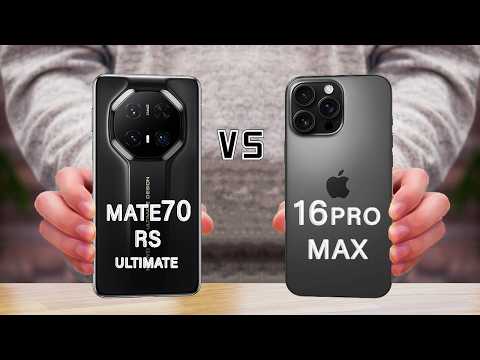
Honor Magic7 Pro and Magic7 RSR Porsche Design (around 6.8″).
Xiaomi 17 Pro Max (6.9″) and multiple Redmi K‑series and 15T/17 Ultra models above 6.8″.
Positive aspects:
These phones often pair massive screens with cutting‑edge processors (Snapdragon 8 Elite/Gen 5, Dimensity 9400 series) and aggressive pricing relative to Apple and Samsung.
They appeal strongly to gamers and media consumers, and some models target professional photography and video with advanced camera systems.
Critical points:
Availability can be region‑limited; some of the biggest models are officially sold only in China or a few markets, making global support and updates less predictable.
Software quality, update policies and privacy practices vary widely, which matters for business users or long‑term ownership.
Foldables and Trifolds: Tablet‑Size Screens in Your Pocket
Samsung Galaxy Z Fold 7 and Galaxy Z TriFold
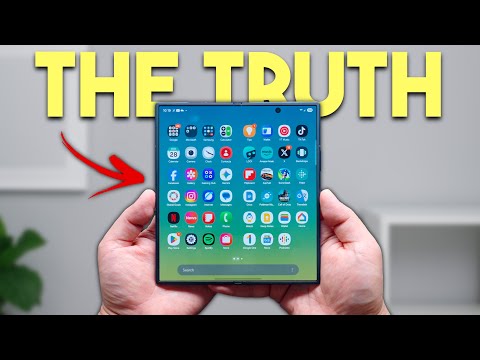
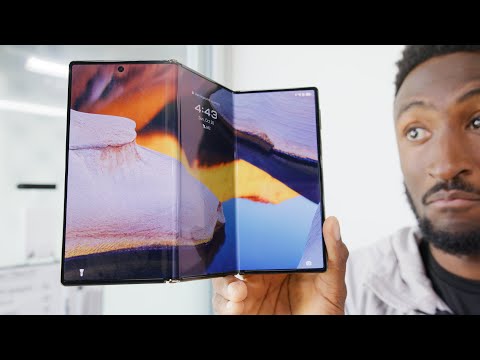
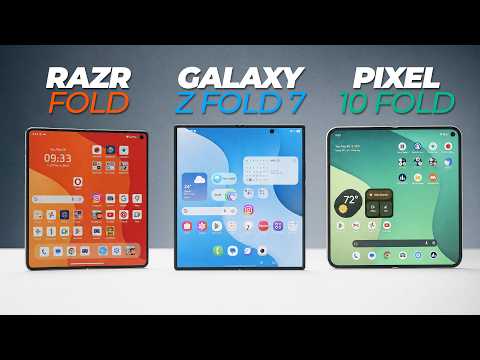
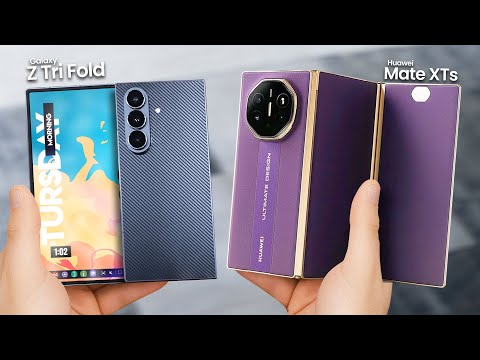
Foldables bring the most dramatic jumps in active screen size. CNET notes that the Galaxy Z Fold series offers an 8‑inch foldable inner display alongside a phone‑sized cover screen, and by 2026 a Galaxy Z TriFold with a 10‑inch unfolded panel appears in benchmark lists as a “phone” you can buy.
Positive aspects:
These devices can replace a small tablet for media, multitasking and even some productivity, especially with stylus support and desktop‑style modes.
For professionals who travel frequently, a single big‑screen device reduces the need to carry both phone and tablet, supporting remote work, document review and creative tasks.
Critical points:
Foldables are thicker, heavier and more fragile; hinges and internal displays can be failure points, and repair costs are high.
Environmental and cost concerns are amplified: complicated structures use more materials and are harder to recycle, and high prices limit accessibility to wealthier users, potentially widening digital divides.
Why People Want Enormous Phones
Guides on choosing big‑screen phones in 2026 underline several user‑driven reasons for going large:
Media consumption: streaming video, social media and mobile gaming all benefit from larger displays and higher refresh rates.
Work and productivity: email, document editing, messaging and video conferencing are simply more comfortable on bigger screens, especially when paired with split‑screen or floating windows.
Accessibility: larger text, icons and touch targets help users with visual or motor impairments, and stylus input can make fine interaction easier.
From a societal perspective, big phones support the trend of the smartphone as the primary computing device, especially in regions where laptops are less common. This can broaden access to online education, remote work and digital services—if networks and services are affordable and reliable.
Downsides: Ergonomics, Health and Sustainability
At the same time, critical reviews and long‑term guides highlight the costs of ever‑bigger devices:
Ergonomics: large, heavy phones strain one‑handed use, pockets and long‑term comfort, increasing the risk of drops and repetitive strain.
Attention and screen time: as phones become more immersive “personal cinemas,” concerns grow about addiction, distraction, and their impact on mental health and in‑person social interaction.
Environmental footprint: bigger devices use more materials and energy in production; combined with frequent upgrade cycles and difficult repairs, this aggravates e‑waste and resource consumption.
These issues matter more as big phones go from niche to default at the top of the market.
Contribution to Work and Society
When looked at critically, giant smartphones in 2026 are both a tool for progress and a vector for existing digital challenges:
Positive contributions:
They make high‑quality mobile computing available for tasks once reserved for PCs, enabling on‑the‑go work, telemedicine, digital banking, language learning and creative work in more places.
In combination with 5G/6G and cloud services, they help small businesses and independent workers manage operations, marketing and customer communication from a single device.
Negative and systemic issues:
They can deepen platform lock‑in, since the most advanced big phones are tied to specific ecosystems (iOS, Samsung/Google Android, China‑specific platforms), shaping which apps and services people can access.
Without attention to accessibility, pricing and digital literacy, these high‑end devices risk becoming another marker of inequality between those with top‑tier mobile tools and those stuck on older, less capable hardware.
Professional Perspective: How to Think About “Biggest” in 2026
In 2026, the “biggest smartphones in the world” you can actually buy range from 6.8–6.9‑inch slabs like the Galaxy S25/S26 Ultra, iPhone 17 Pro Max, Xiaomi 17 Pro Max and a variety of Chinese ultras, up to foldables and trifolds with 8‑ to 10‑inch unfolded displays like Samsung’s Z Fold and Z TriFold. They deliver impressive experiences for media, gaming and work—often genuinely enhancing productivity and access—but they also bring trade‑offs in ergonomics, repairability, cost and social impact.
For users and organizations, the smartest approach is to treat screen size as one dimension of a broader decision about sustainability, accessibility, software support and ecosystem power. Going bigger can be a real upgrade for how people learn, work and create—provided we also stay critical about how these devices are built, updated and integrated into everyday life.