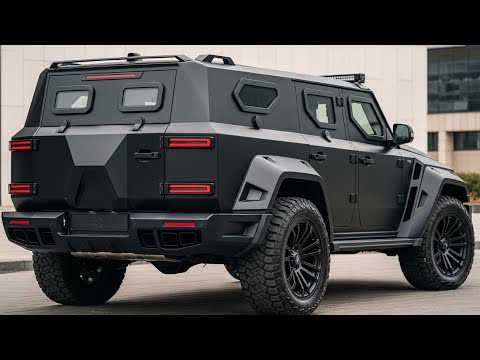
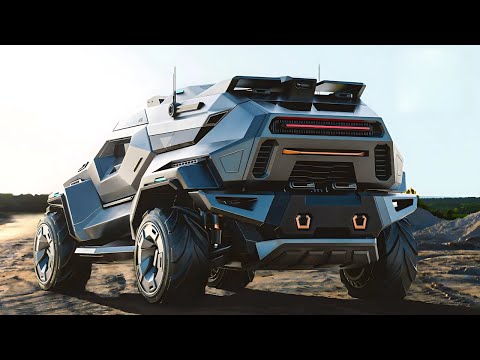
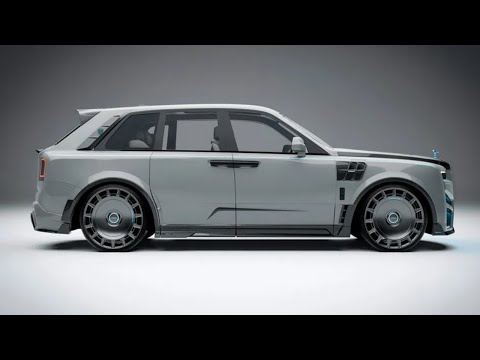
The world’s most luxurious bulletproof cars combine first‑class comfort, handcrafted materials and brand prestige with ballistic and blast protection that approaches military levels. These vehicles serve presidents, royal families, billionaires, senior executives, high‑profile lawyers and journalists whose risk profiles demand more than a normal luxury car can offer. They turn a limousine or SUV into a secure, mobile workspace and safe room, without visibly sacrificing status or comfort.
Below, you’ll find a structured guide: core vehicle types, protection standards, typical specs and prices, key manufacturers, plus a critical look at both their benefits and their social, ethical and environmental downsides.
Core Vehicle Types: Sedans, SUVs and State Cars
High‑Security Flagship Sedans
Most “ultimate” bulletproof cars are based on top‑tier limo platforms:
Mercedes‑Benz S‑Class Guard / Mercedes‑Maybach S680 Guard (factory‑armored, V12 power, very high ballistic certification, often VR9–VR10).
BMW 7 Series High Security / Protection models (factory‑integrated armor, VR9/B6‑level ballistic resistance, discreet executive sedans).
Audi A8 L Security (armored at the factory or in close partnership, VR9/B6‑to‑B7‑level protection with a conservative exterior).
These sedans prioritize discretion: from the outside, they look like very expensive but “normal” limousines, while underneath they have reinforced structures, armored glass, and upgraded suspension and brakes.
Luxury Armored SUVs
Ultra‑luxury SUVs and large premium SUVs are now at least as important as limousines:
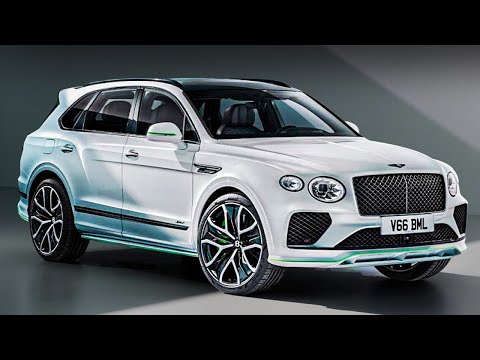
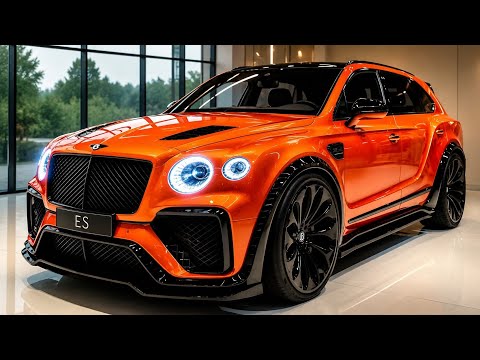
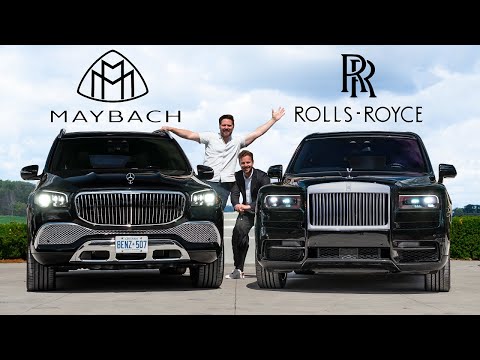
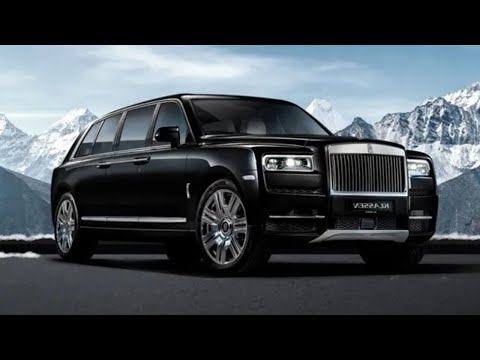
Rolls‑Royce Cullinan, Bentley Bentayga, Mercedes‑Maybach GLS, Range Rover, Mercedes‑AMG G‑Class, Lexus LX, Toyota Land Cruiser, Cadillac Escalade, GMC Yukon XL and similar vehicles are commonly used as bases for high‑end armoring.
Many are armored by specialist firms rather than by the original manufacturers, allowing deeper customization (interiors, electronics, special equipment) for each client.
SUVs offer more interior volume, a more commanding driving position and better rough‑road capability, which is vital in many high‑risk regions with poor infrastructure.
Special State and Concept Vehicles
A few extremely high‑profile vehicles sit outside normal categories:
Presidential/state limousines such as the U.S. President’s “Cadillac One” (often called “The Beast”) and similar vehicles for other heads of state. These are effectively rolling bunkers built to classified specs, with extreme armor, special life‑support systems and dedicated communications suites.
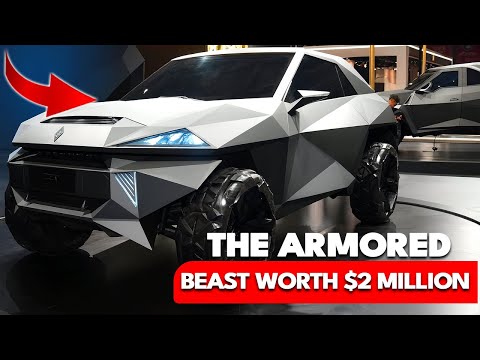
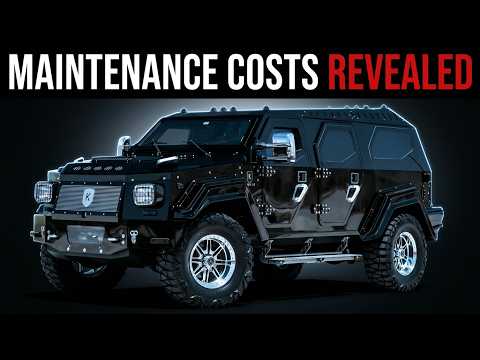
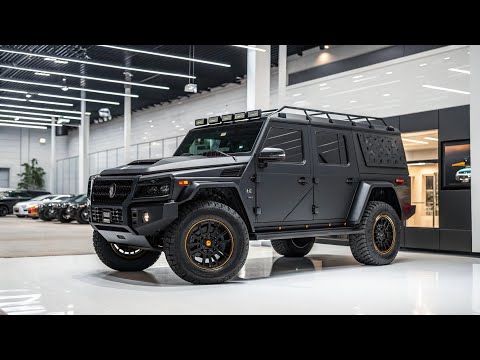
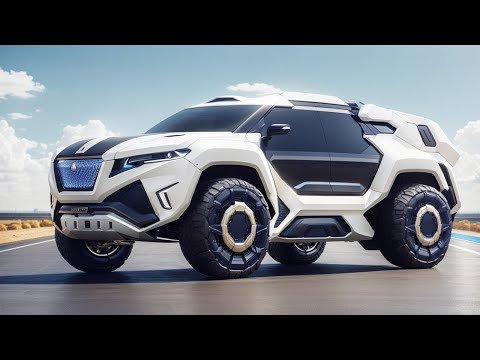
Ultra‑niche concept‑like SUVs (for example, polygonal “stealth” armored SUVs built on truck chassis) that emphasize dramatic design and extreme exclusivity alongside full ballistic protection.
These are not “catalog” products in the normal sense, but they shape expectations for what is possible at the very top of the market.
Protection Levels: How Bulletproof Luxury Is Measured
Ballistic Standards in Civilian Armoring
Most luxury bulletproof cars are certified using one or more international standards rather than marketing terms:
CEN 1063 / EN 1522 “BR” and “FB” levels
BR2–BR4: handgun threats.
BR5–BR7: rifle threats; BR6 and BR7 are common for serious VIP protection and can defeat 7.62 mm rifle fire from weapons like AK‑47 and 7.62 NATO.
VPAM “VR” levels
VR6–VR9: increasing rifle and armor‑piercing resistance.
VR10: the current top‑end civilian vehicle standard, used by a very small number of factory‑armored sedans and representing protection against powerful armor‑piercing rifle rounds over multiple hits.
NIJ levels (U.S. standard)
Often referenced when defining armor equivalence, mapping to commonly used handgun and rifle calibers.
In practical terms, a luxury bulletproof car aimed at high‑risk clients will usually have at least BR6/VR6‑equivalent protection around the passenger cell—opaque armor panels plus multi‑layer ballistic glass—and often a blast‑resistant floor and roof.
Beyond Bullets: Blast and Special Threats
Top‑tier vehicles also address:
Blast protection: Under‑floor armor to resist grenades and small mines, reinforced doors and pillars to keep the structure intact under near‑vehicle explosions.
Run‑flat mobility: Tires with inserts or special construction that allow the vehicle to continue moving for tens of kilometers after being shot or punctured.
CBRN / chemical threats (in rare cases): Overpressure and filtration systems to protect the cabin from chemical or biological agents—more common in heads‑of‑state vehicles and some top‑end sedans.
Full certification often involves controlled tests with specific ammunition, specific number of hits, and defined distances, rather than vague “bulletproof” claims.
Key Players: OEMs and Specialist Armoring Firms
Automakers with Factory‑Armored Models
Several manufacturers offer factory‑developed armored versions of their flagship vehicles:
Mercedes‑Benz / Mercedes‑Maybach: S‑Class Guard, Pullman Guard, and in some regions specialized G‑Class or GLS‑based solutions.
BMW: 7 Series Protection / High Security, sometimes X5/X7 protection variants.
Audi: A8 L Security.
Land Rover: Range Rover Sentinel and related security derivatives in select markets.
Factory armoring usually means the vehicle is engineered from the outset to carry the extra weight and absorb the forces of blasts and impacts, with full integration into crash‑safety systems and warranties.
Specialist Armoring Companies
The most luxurious bulletproof vehicles often come from collaborations between luxury brands and independent armoring houses, for example:
Companies that regularly armor Rolls‑Royce, Bentley, Mercedes‑Maybach, Range Rover, Lexus, Land Cruiser, Escalade and G‑Class SUVs for private clients, governments and agencies.
These firms design modular armor “cells” that can transform a standard luxury vehicle into a VR6–VR10 or B6/B7‑rated security platform while preserving as much of the original look and feel as possible.
Such companies also handle custom interior layouts (rear VIP cabins, conference setups, reclining business‑class seats), integrated secure communications, hidden storage, and specialized lighting and surveillance systems.
Typical Specs: Power, Weight, Interior and Tech
Powertrains and Performance
To move thousands of extra kilograms of armor, most luxury bulletproof cars rely on high‑output powertrains:
Large gasoline or hybridized V8, V12 or high‑output six‑cylinder engines, often with twin‑turbocharging to maintain acceptable acceleration despite the added weight.
Heavy‑duty automatic transmissions and reinforced driveline components.
Upgraded brakes (sometimes high‑performance branded systems), stronger suspension (air or adaptive), and structural reinforcements in the chassis.
Even with all that, these cars are not sports cars; they are tuned for stable, predictable behavior, strong low‑end torque and controlled emergency maneuvers under load.
Weight and Ride
Armor can add 800–1,800 kg (1,700–4,000 lb) or more to a vehicle, depending on the level and area of coverage.
Ride comfort is maintained through recalibrated adaptive dampers, air suspension and high‑sidewall tires, but drivers and security teams must account for longer stopping distances and different handling characteristics.
Interiors and On‑Board Tech
At the top end, bulletproof cars offer cabins comparable to private jet interiors:
Materials: Full‑grain leather, Alcantara, rare woods, carbon fiber or metal inlays, custom stitching and monograms.
Seating: Fully reclining rear seats with leg rests, massage, heating/ventilation, memory positions and integrated tables.
Entertainment: Large high‑resolution displays, premium audio systems with dozens of speakers, integrated streaming, gaming or video conferencing setups.
Lighting and comfort: Ambient lighting, advanced climate control, sun/privacy blinds and in some cases full partition walls between front and rear.
Security‑related tech may include:
Encrypted communications and secure internet access.
Multiple camera views with DVR recording, thermal or low‑light cameras, and 360‑degree monitoring.
Panic switches to lock doors, activate sirens and external PA systems.
Optional smoke screens, fire suppression, and other defensive measures in the most extreme builds.
Pricing: What “Luxurious Bulletproof” Really Costs
While specific numbers depend on brand, spec and region, there are clear price tiers:
Base luxury vehicle: A new top‑tier sedan or SUV (S‑Class, 7 Series, A8, Range Rover, Maybach GLS, Cullinan, Bentayga, Escalade, etc.) typically costs from around 90,000–200,000+ USD, with Rolls‑Royce/Bentley easily surpassing that.
Armoring packages:
Handgun‑level or light rifle packages (B4/B5) for sedans and SUVs can start around 30,000–90,000 USD above the base price.
Full BR6/VR6 rifle‑level armoring, used for serious executive and VIP protection, often costs 80,000–250,000 USD or more, depending on vehicle size, glass area, and blast protection.
The most comprehensive VR9/VR10 or B7+ builds, particularly on ultra‑luxury platforms, can push the total package into the high six‑figure or low seven‑figure range.
“World’s most luxurious bulletproof cars” routinely sit between roughly 400,000 USD and over 2,000,000 USD once all custom interior work, security systems, and armoring are factored in. One‑off or state‑level vehicles can exceed that, but prices are rarely disclosed.
Who Buys Them and Why
Typical Client Profiles
Heads of state and royal families who face sustained and sophisticated threats.
Cabinet‑level officials, judges, prosecutors, anti‑corruption leaders and other high‑visibility public servants.
Corporate executives in sectors like energy, mining, telecoms, finance and tech, especially in countries with higher kidnapping or assassination risks.
Ultra‑high‑net‑worth individuals, celebrities and public figures vulnerable to kidnapping, ransom, or politically motivated violence.
NGOs, humanitarian organizations and media organizations operating in conflict or high‑crime zones (often using armored SUVs rather than ultra‑luxury sedans).
For these clients, bulletproof cars are part of a wider security architecture that might include trained drivers, protective agents, secure residences, intelligence gathering and travel protocols.
Positive Contributions: Security, Continuity and Innovation
When viewed favorably, the world’s most luxurious bulletproof cars contribute in several ways:
Personal and institutional security: They reduce the likelihood that attacks on key individuals will succeed, helping maintain continuity of government, corporate leadership and public institutions. This can be crucial during periods of instability or reform, where the removal of key figures might derail progress.
Operational continuity in high‑risk environments: Governments, companies, NGOs and media can maintain a physical presence in dangerous regions, rather than withdrawing entirely, which helps sustain local economies, services and diplomatic channels.
Industrial and technological development:
Research into lighter, more efficient ballistic materials (composites, ceramics, advanced steels) can spill over into broader defense, aerospace and safety industries.
Armoring techniques improve structural design, joining methods and integration of safety systems, informing best practices for other protected vehicles such as police cars, cash‑in‑transit vans and emergency response vehicles.
Secure communications and resilience‑focused vehicle electronics can inform designs for mission‑critical fleets such as disaster‑response command vehicles.
This sector also supports a skilled workforce of engineers, fabricators, material scientists and security professionals.
Critical Perspective: Inequality, Militarization and Environment
At the same time, there are significant negative aspects that any “ultimate guide” should acknowledge.
Two‑Tier Security and Visible Inequality
These cars are expensive by design and accessible only to a tiny fraction of the world’s population. Their presence can:
Symbolize a split in security: A world where some people ride in armored luxury while others rely on underfunded public security and ordinary infrastructure.
Create social distance: Long convoys of bulletproof SUVs and sedans, heavily tinted and escorted, visually separate elites from the rest of society, potentially eroding trust and empathy between leaders and citizens.
This may be particularly damaging in democracies where perceived fairness and shared risk are important for legitimacy.
Militarization of Civilian Life
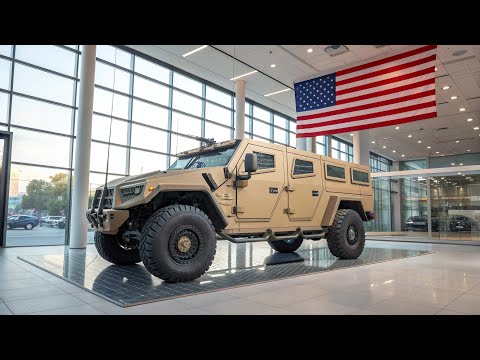
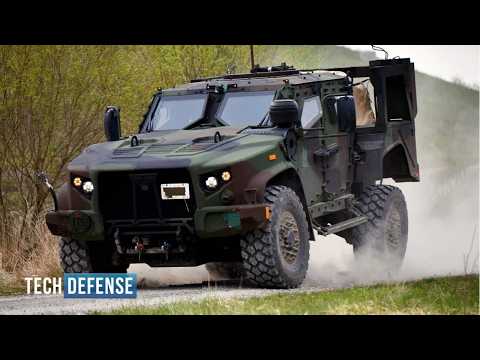
Some bulletproof luxury cars, especially certain SUVs, intentionally adopt aggressive, military‑like styling. Their spread in cities can:
Normalize the idea that private armor and weapon‑resistant vehicles are a reasonable response to everyday insecurity.
Encourage an “arms race” in private security between wealthy individuals and criminal groups, shifting attention away from root causes of violence.
Blur distinctions between civilian, police and military vehicles in public spaces, affecting how citizens experience their own streets and public order.
Environmental and Safety Externalities
High‑end bulletproof cars are heavy and often powered by large combustion engines:
Fuel consumption and emissions: The combination of heavy armor and powerful engines generates high fuel use and emissions per vehicle compared to normal passenger cars, running counter to climate and air‑quality goals.
Road wear and crash severity: Heavier vehicles cause more wear on road surfaces and can inflict greater damage in collisions with lighter vehicles, cyclists or pedestrians, raising broader road‑safety concerns.
While some armored vehicles now explore hybrid or more efficient powertrains, the baseline is still far from environmentally optimal.
How to Think About “Most Luxurious Bulletproof Cars” in 2026
From a professional, critical standpoint, the world’s most luxurious bulletproof cars are best understood as specialized instruments, not aspirational consumer goods for the general public:
They are justified when credible, sustained threats target individuals whose safety has real consequences beyond themselves—and when they are embedded in a broader security strategy that includes institutions, law, intelligence and community‑level prevention.
They are deeply questionable when used primarily as status symbols or lifestyle accessories in environments where risks are moderate and could be more effectively addressed through public policy and stronger institutions.
Ultimately, these vehicles sit at the intersection of technology, wealth and fear. They demonstrate what is possible when engineering and luxury design are pushed to extremes, but they also raise important questions: Who gets to be safe? How is security distributed? And how much should societies rely on private armored cocoons around a few, instead of safer, fairer environments for everyone?